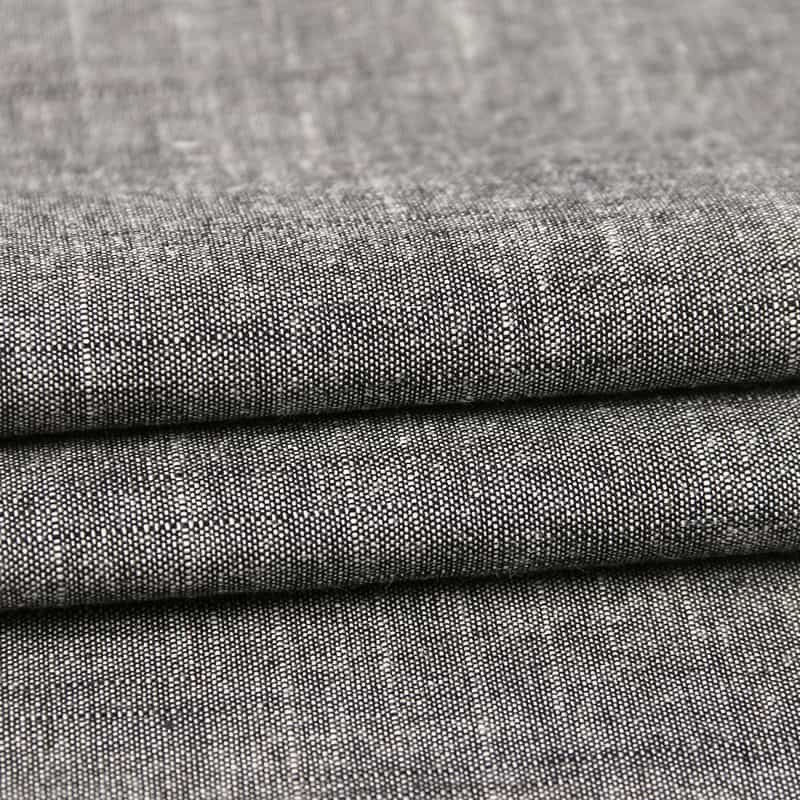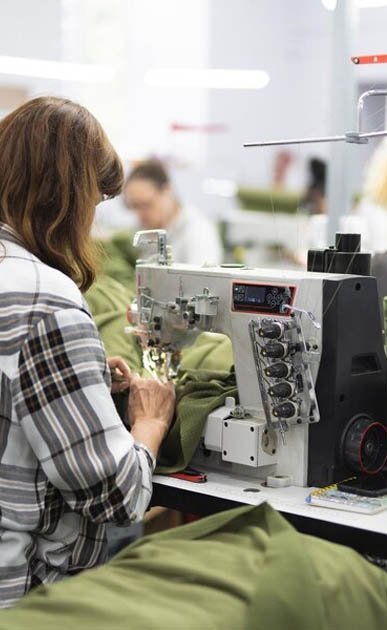
Do you want to start your line of headgear? We have included all the necessary steps on how to start a hat business to assist you with your insatiable curiosity to introduce a line of hats.The demand for custom hats is booming, offering never-ending personalizations for fedoras, baseball caps, and everything in between. Design your own or create merchandise for clothing lines, sports teams, or any occasion. Learn all the information you need to launch a successful hat business, including the requirements, and identify the best factors that you must also take into account.
How To Start A Hat Business? The Crucial Steps
Researching the Hat Market

Before diving into how to start a custom hat business, you need to know your stuff.
Check out what’s trending on social media and on the runways. Are Fedoras having a moment? How about newsboys or berets? See what styles are popping up at major retailers. This helps determine what customers want right now.
You should also evaluate your competition. See what other hat brands are out there, their styles, and their price points. Then think about how you can differentiate yourself. Maybe you’ll focus on eco-friendly materials or a signature style.
Don’t forget your target customer. Do you want to appeal to hipsters or the older crowd? Baseball fans or fashionistas? Pinpointing your customer helps guide everything from hat design to marketing.
With some digging into trends, competitors, and customers, you’ll gain insight into the hat market. Then you can develop styles that people will love and that set you apart. And remember, hats may be seasonal but style is forever. Do your research and your hat business will be ahead of the curve.
Selecting Your Hat Business Niche

When starting a hat business, choosing a niche market is key. Would you like to target a certain demographic, scenario, or hat style? Do you like fashionable fedoras for fashionistas, baseball caps for sports enthusiasts, or kid’s hats?
Creating a specialty enables you to more effectively target your marketing efforts and helps give your company a unique personality. It also facilitates keeping up with fashion, textile, and accessory trends in that specific market. After deciding on your specialty, you may concentrate on your suppliers, your target market, and the particular types of hats you want to sell.
For example, if you are ready to sell high-end women’s hats, let’s focus on stylish cloche, fascinator, and pillbox hats made of top-notch materials. On the other hand, a children’s hat business could offer whimsical designs in a range of styles for kids.
Choose a market that you are enthusiastic about, aligns with your abilities and professional objectives, and has a sizable clientele. Then you can develop a stellar collection of hats perfectly suited for that specialized market.
Target Your Customer or Decide to Whom You Will Be Selling Your Product
Let’s figure out who will buy your hats. This could be anyone, from hipsters to sports fans to corporate executives. The groups you identify will determine what styles and price points you offer.
Do some research on potential customers to determine the most promising options. Then survey people in those groups to find out what they want in a hat and how much they’d be willing to pay. You may find that hipsters prefer retro styles, while sports fans want their team’s logo. Executives may want refined but luxurious options.
With your target market defined, you can create products tailored to their needs. Build your business plan and marketing around reaching these specific groups. Focusing on the customers most likely to buy will set your company up for success.
Choose The Printing Methods For Your Hat Manufacturing
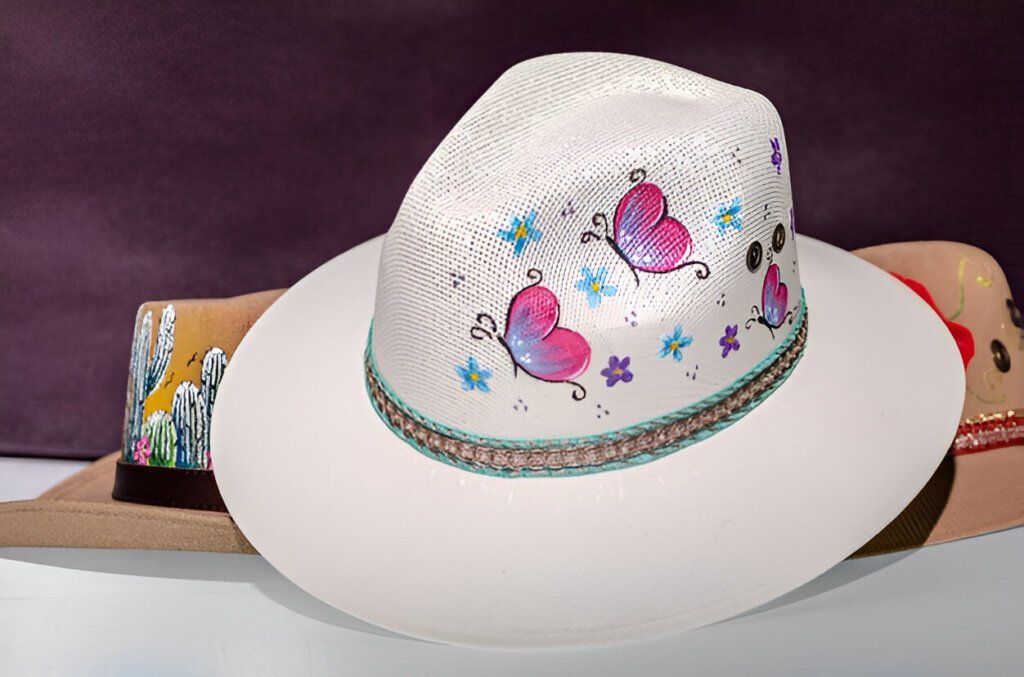
For customizing and printing your hats, you have a few options to consider. Screen printing is perfect for simple logos and text because it prints images and letters using screens and stencils. If you order large quantities, it’s affordable. Direct-to-garment (DTC) printing imprints graphics in full color straight into the cloth. It offers high quality but at a higher cost.
Embroidery stitches thread directly onto the hat, giving a raised, 3D effect. It’s great for logos but limits detail. Heat transfer uses heat to adhere pre-printed designs to the hat. It’s inexpensive but it can appear less professional.
The printing technique you choose depends on your design needs, quantity, and budget. Chat with printers to determine what will work best for your specific hats. They can provide samples and pricing for different options to help you make the right choice.
Look At Your Competition
When launching a new hat business, it’s critical to analyze your competitors. See what types of hats they’re selling, how they market to customers, and what price points they target. Are they mainly selling baseball hats, beanies, and fedoras? Do they focus on a specific niche, like sports teams or vacation destinations?
- Examine how they market their goods on their website and social media.
- Seek out chances to set oneself apart, such as by using eco-friendly products, distinctive hat designs, or targeting underrepresented markets. Some competitors might only sell locally or regionally, which would leave openings for you to fill.
- Knowing how rivals operate helps you determine what will set you apart in customers’ minds. Establish a distinctive brand, identify your specialty, and provide hat enthusiasts with a reason to pick you over your competitors.
Connecting with the Right Manufacturer
Finding clothing manufacturers in the USA that meet your needs and standards is key. Look for hat makers that specialize in the specific style you want to sell. For example, focus on those that produce dad hats, snapbacks, or fitted caps. Check their production capabilities and minimum order requirements to ensure they can handle your volume.
Examine their production process and quality control procedures. High-quality, durable materials and construction are must-haves for hats. Ask for customer references or samples of their products. See the hats in person if possible, so you can inspect details like stitching, embroidered designs, and overall construction.
Build a good relationship with your manufacturer. Work with them to perfect hat samples, explain your vision, and collaborate on new designs. You can steer clear of problems with production hold-ups and quality issues and guarantee the greatest products for your clients by working with a reliable, approachable manufacturer.
Designing And Manufacturing Your Hats

You’ll need to find premium hats to sell to launch your hat business. Here are your available options:
- You can create the designs for your hats, and someone else can make them. To produce distinctive designs, patterns, and styles that complement your brand image, collaborate with a designer.
- Next, locate a moral manufacturer—probably abroad—who can create your ideas for less money. Be sure to get samples first to ensure high quality before placing a large order.
- Or, you may purchase pre-made blank hats and embellish them yourself. Buy beanies, snapbacks, fitted caps, and other styles, then personalize the hats with heat transfer, screen printing, stitching, or patches. While this could need more work up front, the initial outlay is smaller. Such tools as heat presses, silk screens, and embroidery machines are required.
- Finally, you can source trendy hats from wholesale suppliers and resell them. Scout trade shows, online marketplaces, and hat industry events to find stylish headwear at low wholesale prices. Then mark up the hats and sell them to your customers. This minimizes risk but limits your ability to differentiate through unique designs.
Select Your Business Model
Now that you have your business plan and market research completed, it’s time to choose how you’ll introduce your headwear to the public. Let’s examine the four options: custom manufacturing, print on demand, drop shipping, and making the hats yourself.
Dropshipping
Most likely, dropshipping companies are widely visible on the Internet. These are the kinds of stores that offer goods without really maintaining stock. Working with a supplier who completes orders on your behalf is known as drop shipping. People who are looking for a quick and simple way to launch a business typically select this option, but in actuality, dropshipping companies often offer very low-quality products, and you won’t have any control over the creative process.
Produce on Demand
Similar to dropshipping, print on demand (POD) involves working with a supplier to print your designs onto blank hats as they are purchased, as opposed to purchasing and reselling pre-made hats. This approach can be more expensive than drop shipping, but it also provides you with a little more creative freedom and the ability to offer unique and original products.
Self-Making
Although it requires more time and resources, making the hats yourself is the most imaginative choice. The style and quality of your hats will be entirely up to you, but making each one by hand will cost money in supplies, labor, and time. To turn a profit, you will thus need to sell the hats for a significantly higher price. Meeting strong demand and scaling up production may prove to be challenging if your firm succeeds.
Customized Production
Working with a manufacturer to produce hats with your unique design and specifications is known as custom manufacturing. With this option, you may have total creative control and make high-quality hats in large quantities at a reduced cost per unit.
You won’t have to make hefty upfront inventory investments if you work with a custom manufacturer that has minimal minimum order quantities. Custom manufacturing is essentially the best of all the other alternatives combined. You receive excellent-quality items, creative freedom, and possibly reduced expenses.
Important Legal And Licensing Requirements
Before starting your hat business, you must ensure that the necessary licenses and permits are obtained. The requirements change based on your company’s location and organizational setup.
- To operate, you’ll probably need a general business license or permission, at the very least. You could also require a seller’s permit to collect sales tax if you intend to sell goods.
- Find out what the local laws are for the production of hats. Zoning, trash disposal, and workplace health and safety regulations may require permits.
- The last step is to formally register your company. A corporation, partnership, or sole proprietorship are available options. Speak with an attorney to choose the optimal structure for your needs and objectives.
Note: Make sure to conduct thorough research, consult local government offices, and don’t be afraid to collaborate with legal experts who can assist you with the procedure.
Marketing Your Hat Products Successfully
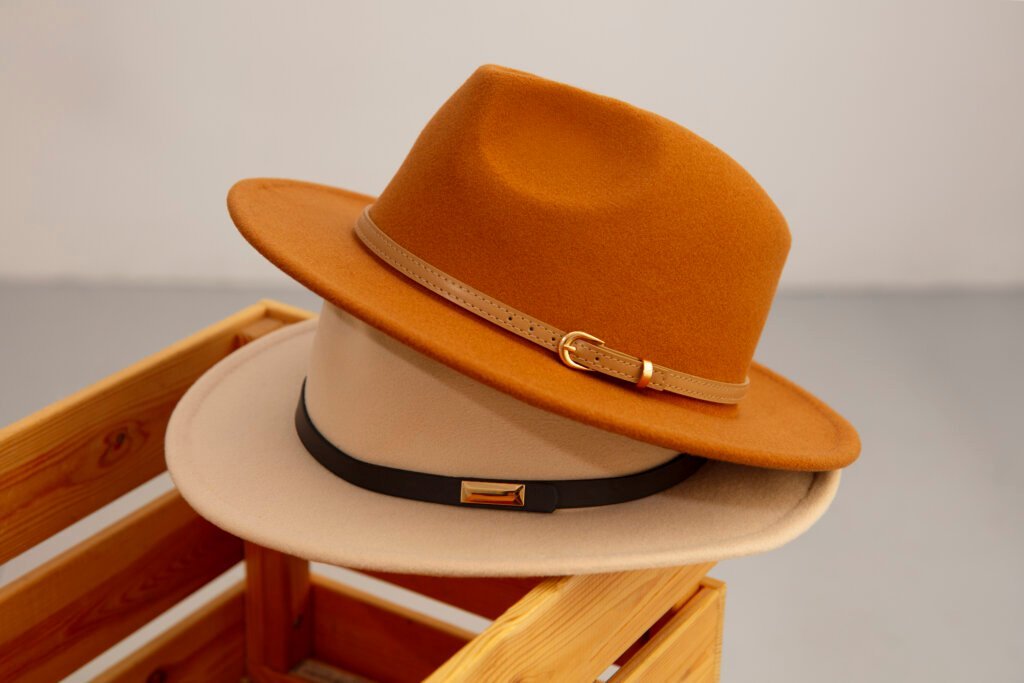
Planning is usually a good idea, whether you are establishing an online or brick-and-mortar hat business. The sooner you begin promoting your company, the better.
Be certain that your company has social media accounts, publishes material frequently, interacts with potential customers, and launches marketing initiatives. Establishing relationships with people early increases the likelihood that they will become clients after your business is up and running.
At this point, you’ll also be working on product ideas, so think about showing your prototypes to your audience and getting their input. Seeking outside advice is always a smart method to solve such problems before you sell your customers their products.
Finally, take into account offline advertising methods like banner ads, direct mail, or signs. Organizing joint product marketing campaigns with retailers and brands may also be beneficial. You may collaborate with a company that sells personalized t-shirts, for example, if your company sells bespoke caps. That way, if someone goes to the other company for a hat, they can recommend you to them. A win-win situation exists.
Launch Your Brand And Start Selling
Now you understand each step of how to start a hat company, including merchandise and social network accounts. Now that you have poured a lot of time, energy, and financial resources into your new business, it’s time to welcome clients and begin taking orders. Many individuals should already be anxious to test their hat options if you did a good job with the advertising portion of things.
To get optimum exposure, start selling on well-known e-commerce sites:
- It’s typically free or inexpensive to open a store on these platforms.
- They take care of the money processing and have sizable audiences already.
- Provide discounts and promotions to engage new customers.
Create a following on social media sites, share images, interact with fans, and hold freebies and competitions.
How Much Does It Cost To Start A Hat Business?
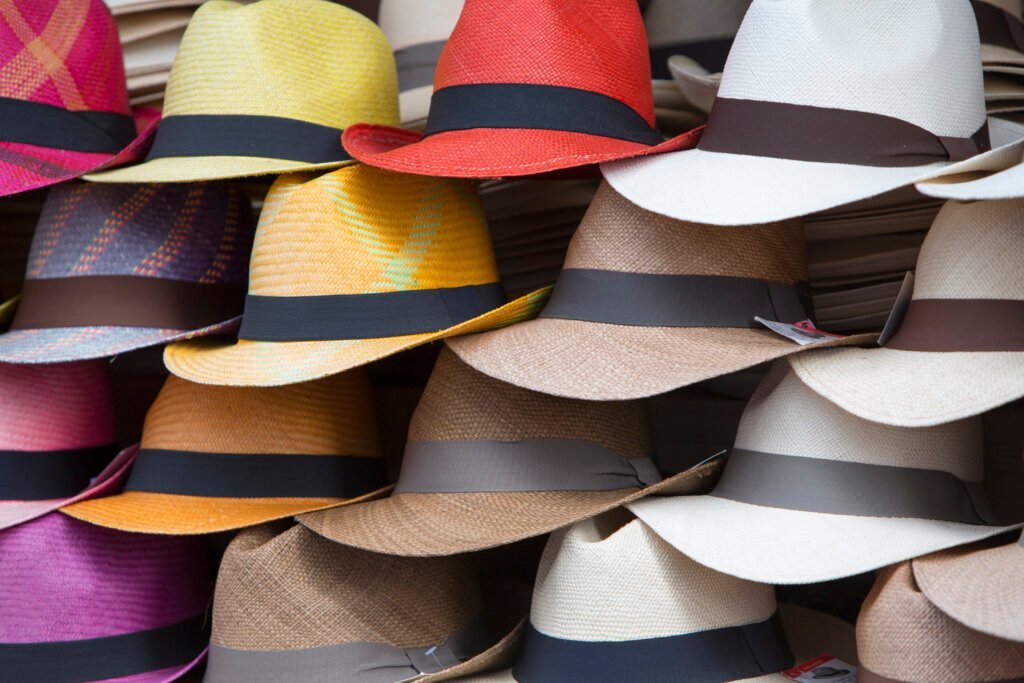
The cost to start a hat company varies according to the kind of pattern imprinted, the material, and the type of cloth utilized. This is a one-time payment for the production of personalized caps with embroidery.
If you purchase in bulk, a baseball camp can be purchased for as little as $6-7 per participant. Alternatively, if you are placing a small order, each piece may cost you between $7 and $9.
When it comes to starting a hat company, the expenses of starting a physical or online store can range from $25k to $28k.
Initial Outlays and Continuing Costs
The starting capital needed for a hat company might differ significantly depending on the location, size, and type of business. Costs for supplies, machinery, labor, marketing, and a storefront, if applicable, may be included. Any startup must comprehend the financial ramifications. See insights on how to start a hat brand for a more thorough explanation of what to anticipate. They can also offer pertinent financial advice for your hat business.
What Is The Best Material For Hats?
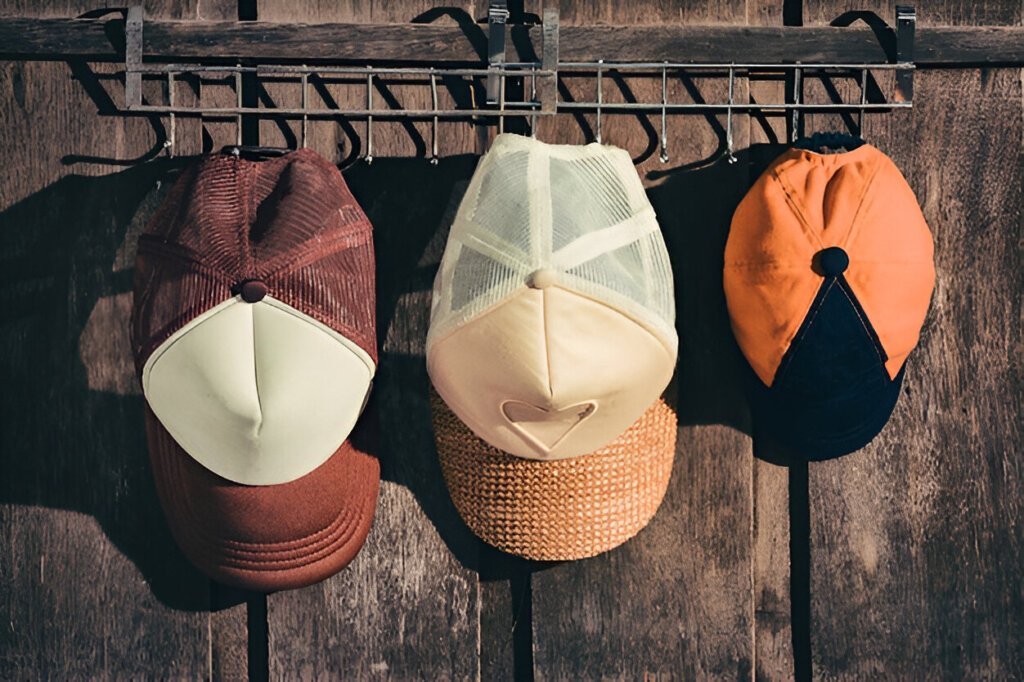
When choosing a material for your hats, consider what will work best for the style and purpose. The most popular options are:
- Cotton is breathable, lightweight, and budget-friendly. Great for casual caps and summer hats. However, it lacks durability and shape retention.
- Wool is naturally insulated and moisture-wicking. It works well for beanies, newsboy caps, and winter hats. Can be itchy for some and requires more care.
- Polyester is inexpensive, durable, and resistant to weather. Often used for sports caps, visors, and children’s hats. It is not the most breathable and can feel cheap.
- Canvas is durable and casual. Commonly used for newsboy caps, bucket hats, and snapbacks. Stiff and not ideal for fitted styles.
- Leather is stylish, long-lasting, and helps hats hold their shape. Used for flat caps, newsboys, and outback styles. Expensive and not breathable.
- Felt is dense and warm and helps hats retain their shape. Typically used for fedoras, newsboys, and ivy caps. Can mat and pill over time with extended use or improper care.
Consider factors like cost, care, seasonality, and how well the material suits your particular hat style. The right choice will have customers lining up to buy your head-turning hats!
Is A Hat Business Profitable?

The hat industry can be quite profitable if you find the right niche. Specialty hat stores have grown by over 20% in the past five years. Hat collectors and enthusiasts will pay premium prices for high-quality, unique caps. However, competition is fierce, so you’ll need to find ways to differentiate yourself.
Some of the most profitable hat business models today include:
- Custom embroidery and printing. Offering customized hats with logos, names, and unique designs allows you to charge higher prices.
- Vintage and retro hats. Selling stylish hats from past eras, especially the 1920s and 1980s, taps into the nostalgia market.
- High-end and branded hats. Carrying caps from famous luxury brands allows you to cater to status-conscious customers willing to pay steeper prices.
- Headwear for specific groups. Hats geared toward certain sports teams, professions like the military and law enforcement, or cultural groups tend to be in high demand.
While profit potential exists, a hat business also has risks. Large retailers provide fierce competition, inventory prices can be considerable, and fashions can change quickly. But a hat company might be a terrific opportunity if you concentrate on a certain market and offer excellent customer service.
Get Your Hat On!
We hope that this information is easy to understand and that you now understand the procedures that need to be taken to launch your own hat company.
The definitive manual for starting your own hat business in 2025. You can create a career out of creating and selling fashionable hats that people can’t get enough of if you have a little enthusiasm, inventiveness, and commercial acumen.
Contact the esteemed hat manufacturer, Ludyway Apparel, if you want to realize your imaginative and original ideas. Develop your clientele and talents gradually, start small, and don’t be scared to take measured chances.