Source: Pexels
The skirt manufacturing industry yields the best patterns for any occasion, whether it’s for casual events or formal ones. Above all, women’s skirts undergo various steps to become the skirts women love to wear. It undergoes processes that make each skirt unique from the other.
Wondering how skirts are made and become trendsetters in the market? This article will highlight the information that you need to know about skirt manufacturers and how they do it in their facilities. In short, this article is the key to understanding the existence of the skirts fitted to the various personalities of each woman.
Understanding the Process of Manufacturing Women’s Skirts
Source: Pexels
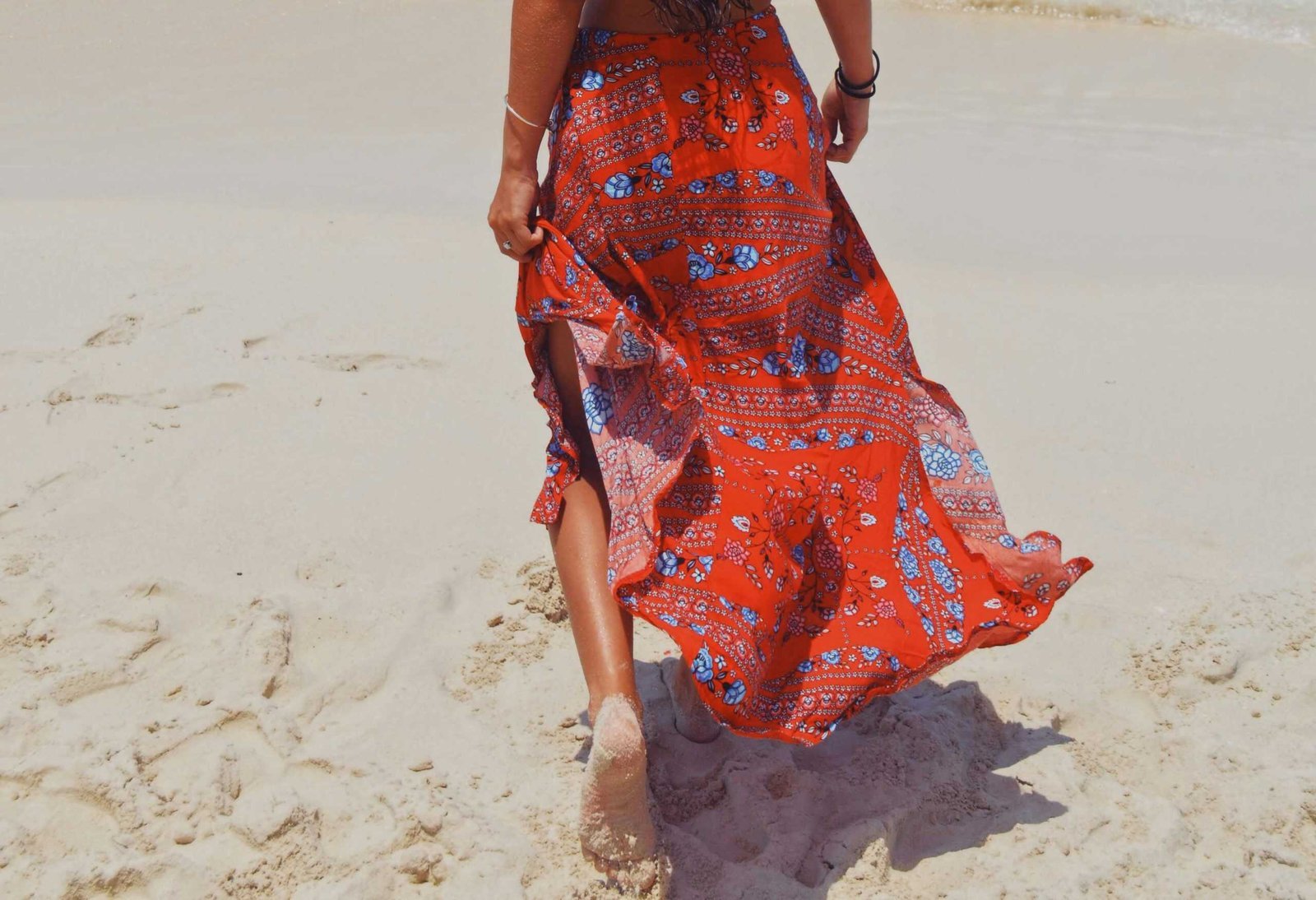
Women’s skirts can be seen everywhere; you can consider them as apparel that showcases one’s identity, culture, and religion.
There are various types of skirts with various patterns, cuts, and designs that you can wear depending on your own preference, and in some cases, the type of occasion you are on affects the type of skirt you will wear.
Skirts can be long, above the knee, with flares, or just a simple skirt. Moreover, the designs of each skirt are unique from the others, and this article will comprehensively guide you through the manufacturing of women’s skirts.
Designing the Perfect Skirt

Source: Pexels
People often think skirt manufacturing is difficult, but with the proper guidelines, you can start making ideas of how a simple fabric can turn into a perfect skirt for you!
And I am here to guide you through each process of skirt manufacturing.
The first step is how to design a perfect skirt. The design of the skirts may vary depending on the pattern as well as the fabric that is used in creating them. That is why, if you are planning to start your fashion collection of skirts; you need to understand the types of fabrics and cuts that are essential in skirt manufacturing.
Worry no more, because here are the things you need to jot down to have the best collection of skirts!
1. Identify What Skirt You Want
Designing a perfect skirt starts with identifying what you want. You might get confused about what type of skirt is perfect for your form and the season where you are in. With that, try to consider answering the following questions; these questions aim to help you identify the best skirt for you.
- “What skirt is best for my body?”
- “Does this skirt match my height?”
- “Is this skirt made of the fabric that is suitable for this season?”
- “What does this skirt look like when I’m sitting or just walking?”
- “Does this skirt match with my tops or t-shirts?”
- “How many times can I wear this skirt?”
In addition, you also need to consider the best color that matches your skin tone because, remember, you must wear the skirt, not the other way around.
Moreover, if you are planning on selling or gifting a skirt to your loved ones, you also need to consider the following questions and imagine yourself as them. That will be the key for you to properly decide what skirt you will sell or give.
2. Be Creative As Possible
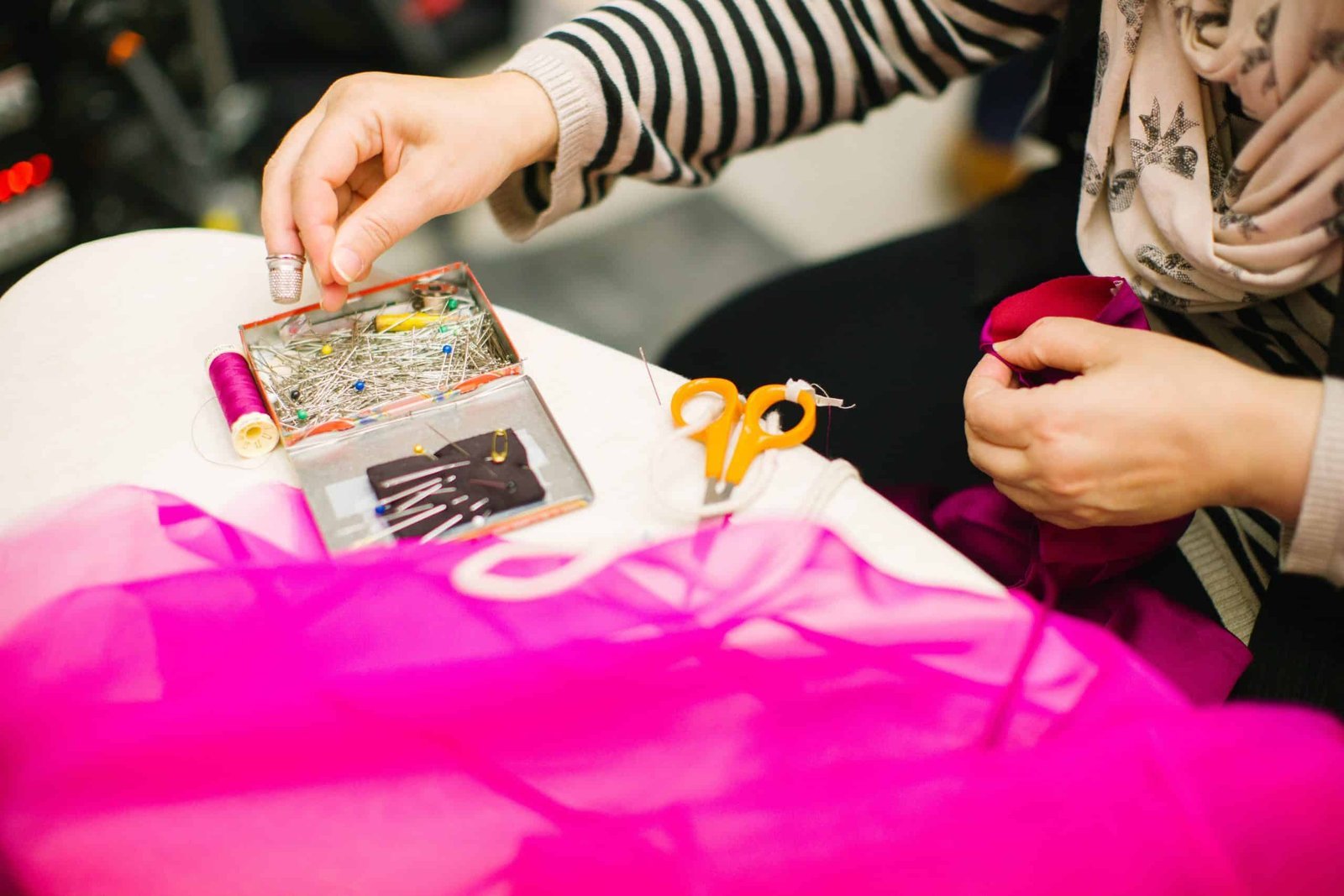
Of course, you don’t want to repeat all the designs, patterns, and colors over and over. That is why you need to use your imagination and be as creative as possible. With that, ask yourself these questions:
- “What colors are best for this type of skirt?”
- “Is this design already available in the market?”
- “What are the materials needed for this design?”
Remember, the uniqueness of a design is essential to stand out, particularly if you are planning to enter the skirt manufacturing industry.
In addition, the cost of the material for a particular design is important; you need to consider the cost as well as whether the design will last in the long run.
3. Sketching
Source: Sketch of a Skirt
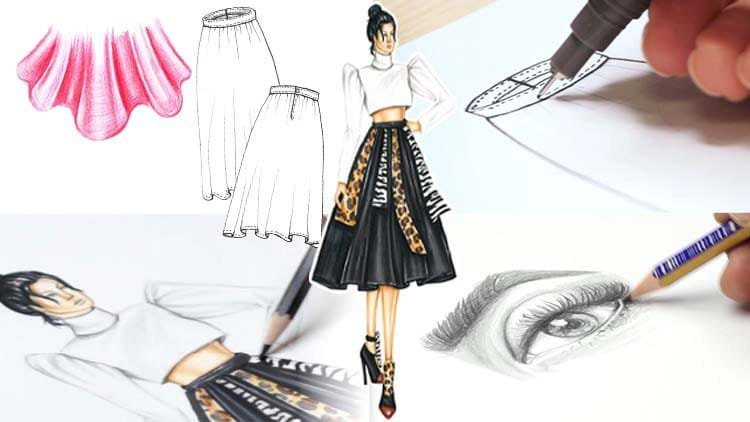
After deciding on your design, you can now proceed to the next step, which is sketching. Remember that you don’t need to be good at sketching like a professional artist; just use the design you want, widen your imagination, make use of the things around you, and apply it to your human sketch. You can use any type of paper and pencils; for some people they like to put color on their sketches and some prefer to have them in black and white. It depends on you how you will sketch it.
You can use the ideas you have or you can look at your surroundings and use them as a basis for your sketch. Remember, everything around you has a design.
1. Acquire The Best Fabric For Your Design
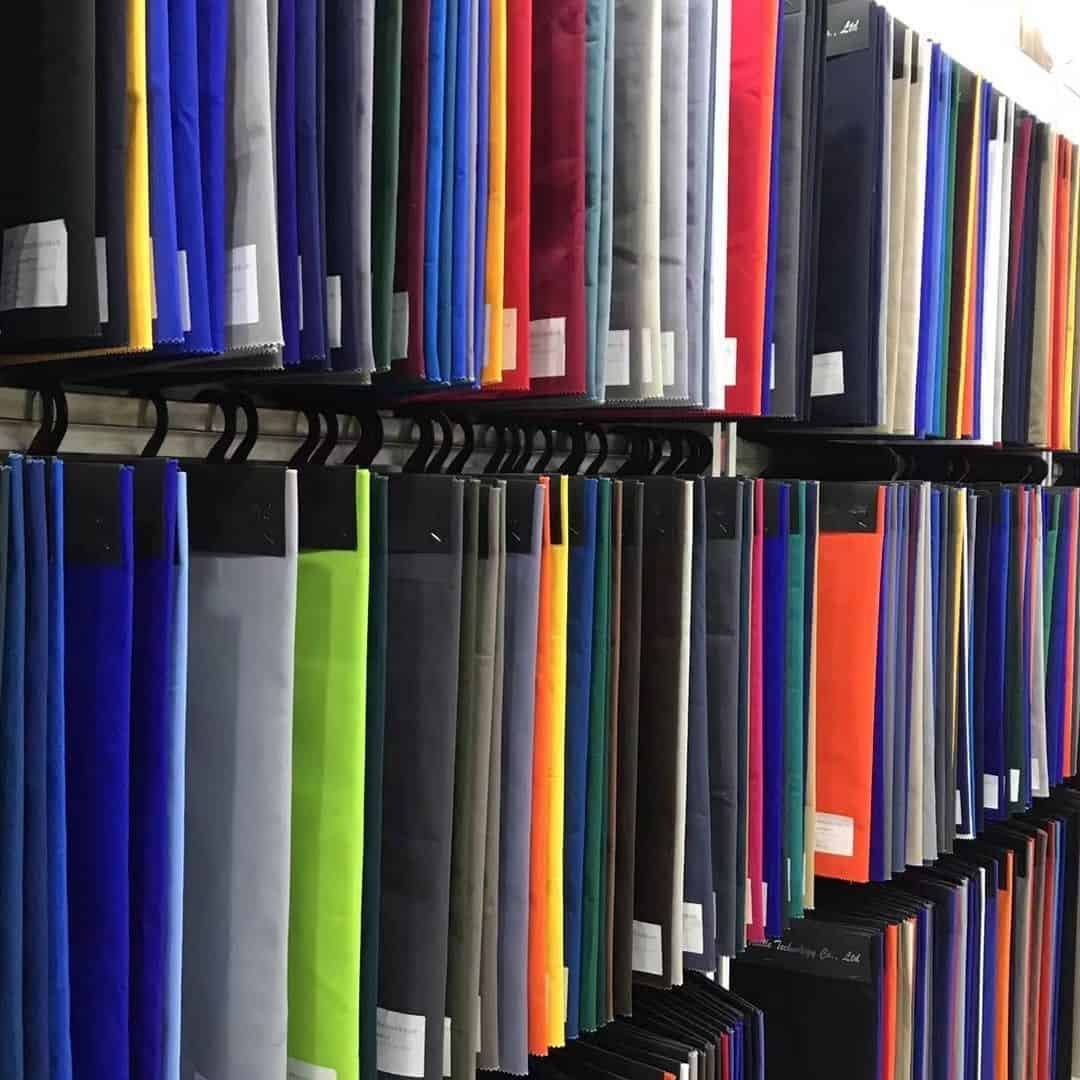
Source: Verified Market Reports
With the right fabric, you can make your design a trendsetter. In choosing the type of fabric, you need to consider its cost and its suitability to the seasons. For instance, if you want to market your skirt in countries like Japan and South Korea and your target season is winter, you must pick the fabric that is thick enough yet pleasing to the eye.
2. Pattern Your Design

Source: CloudFront
In the next step, you need to pattern your design on your chosen fabric. Your pattern will serve as your blueprint in making your desired skirt design. Therefore, it is crucial to include all the details of your design as well as your measurements.
Through the whole process, you can also collect skirt patterns that you can use for future reference. That is why it is important that you use durable materials for your pattern, such as cardboards, tailor’s chalks, and pens.
Types of Skirts
You must not stick with just one type of skirt, explore and widen your horizon because there are a lot more! The following are the different types of skirts:
1. A-Line Skirt

Source: Salt Attire
A-line skirt resembles the letter A, it is usually suited for pear-shaped figures since it highlights their body figure. When you see an A-line skirt, it is normally fitted as the waist part and has a flared at the bottom, allowing you to move your body freely.
2. Pencil Skirt

Source: Karousell
A pencil skirt mimics the form of a pencil, which is why it is called a pencil skirt. This type of skirt is usually made of thicker fabrics like denim, velvet, leather, and even Ponte just to highlight your figure.
3. Pleated Skirt

Source: Premium Times
A pleated skirt is one of the types of skirt you need to consider if you want to highlight your feminine side. As its name suggests, pleated skirts have vertical creases from the waistline until the bottom; these creases are also called pleats that give a wavy effect.
4. Peplum Skirt
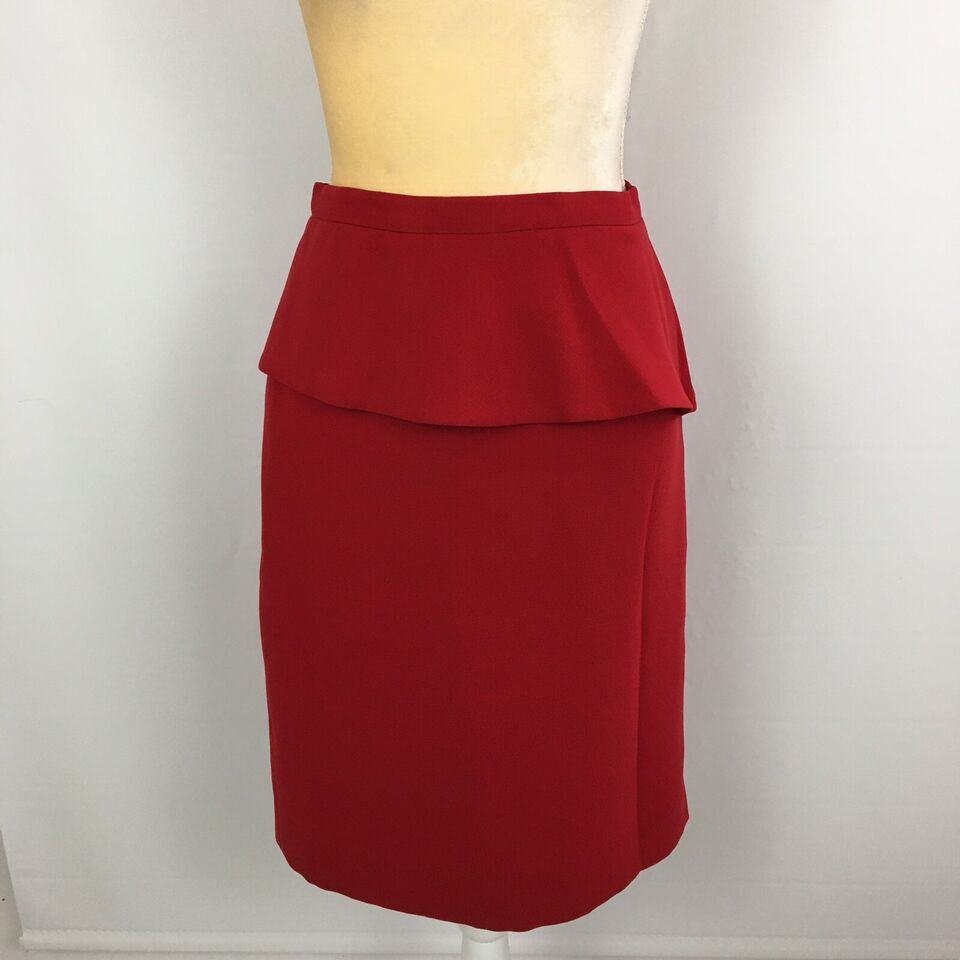
Source: Ebay
A peplum skirt has a dramatic effect due to the ruffle in the waistline or in the bottom part of the skirt.
There are still various types of skirts that have unique forms and cuts. To be more precise, if you are planning to start your own collection of skirts, I highly suggest that you gather enough information about the types of skirts since the suitability of them varies depending on the occasion.
Anatomy of Garment
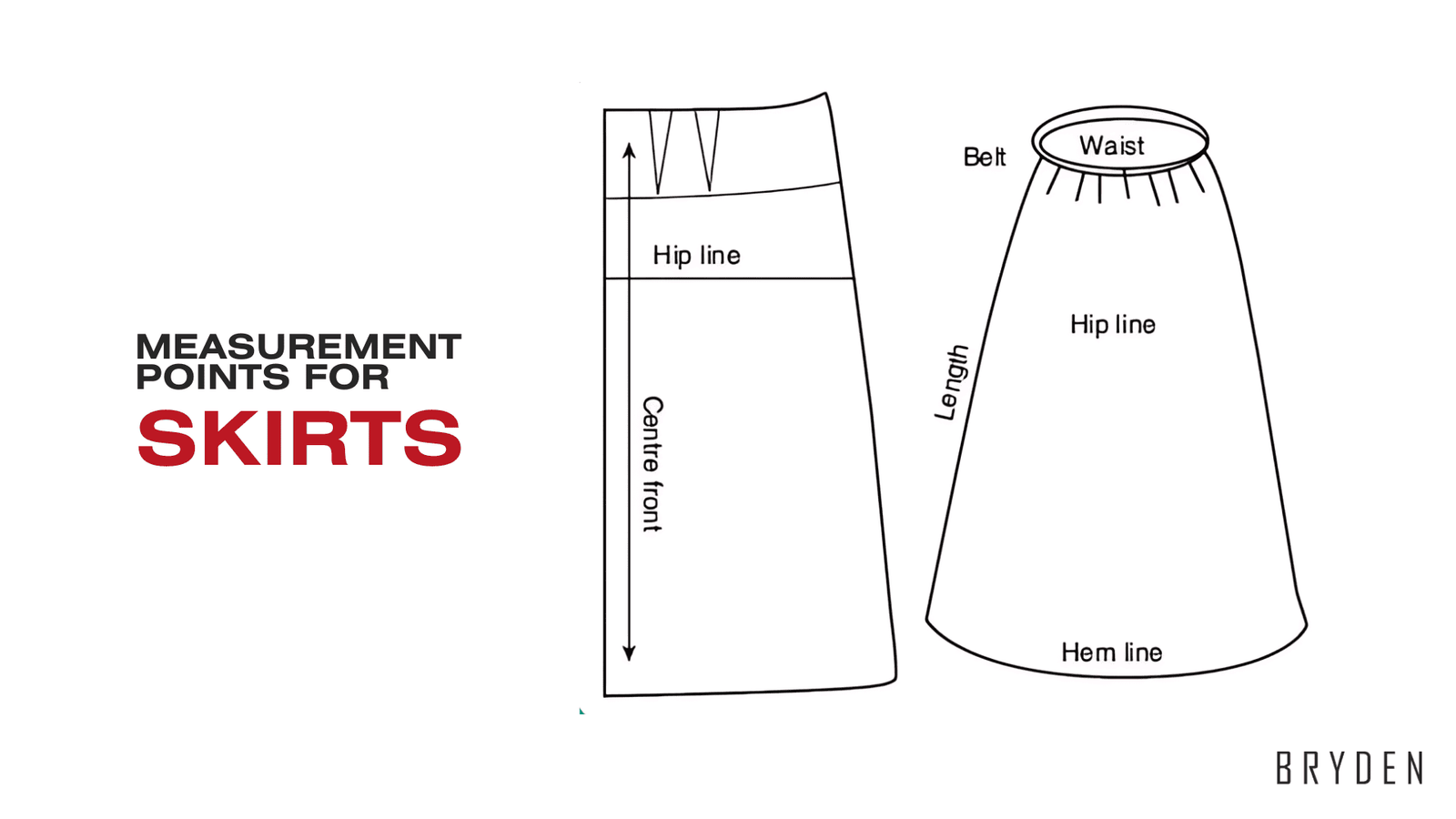
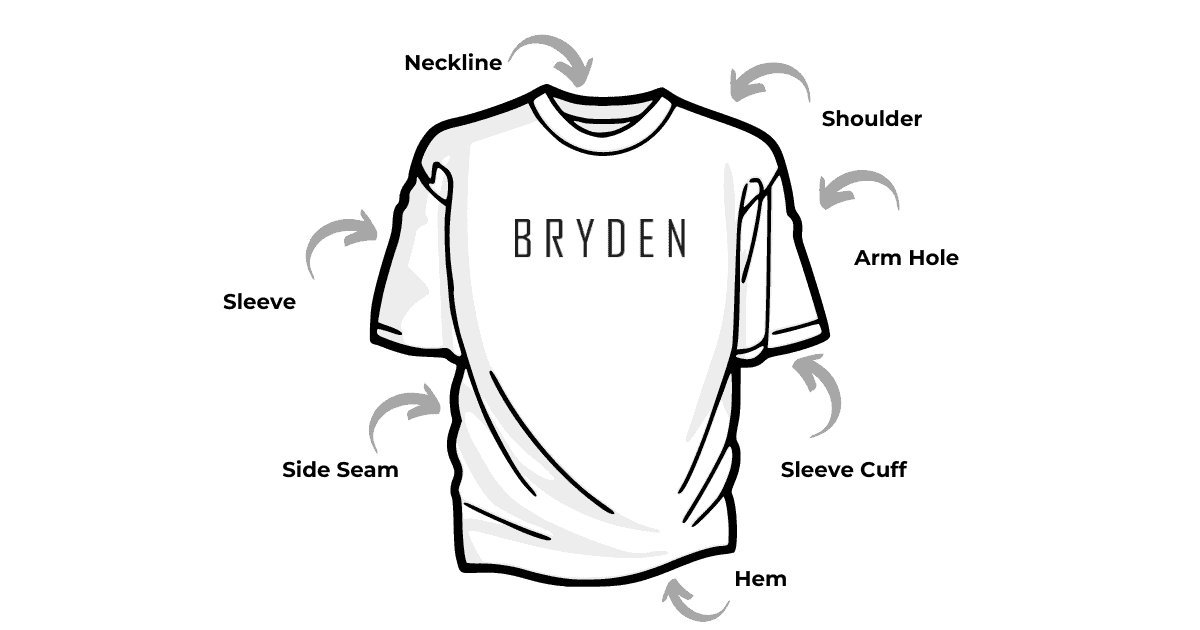
Before anything else, you have to know the various parts of a skirt, regardless of its type. Hence, these are the major parts of the skirt, and it is crucial to know how to draft them since these parts may vary depending on the type of skirt you desire.
Choosing Quality Fabrics
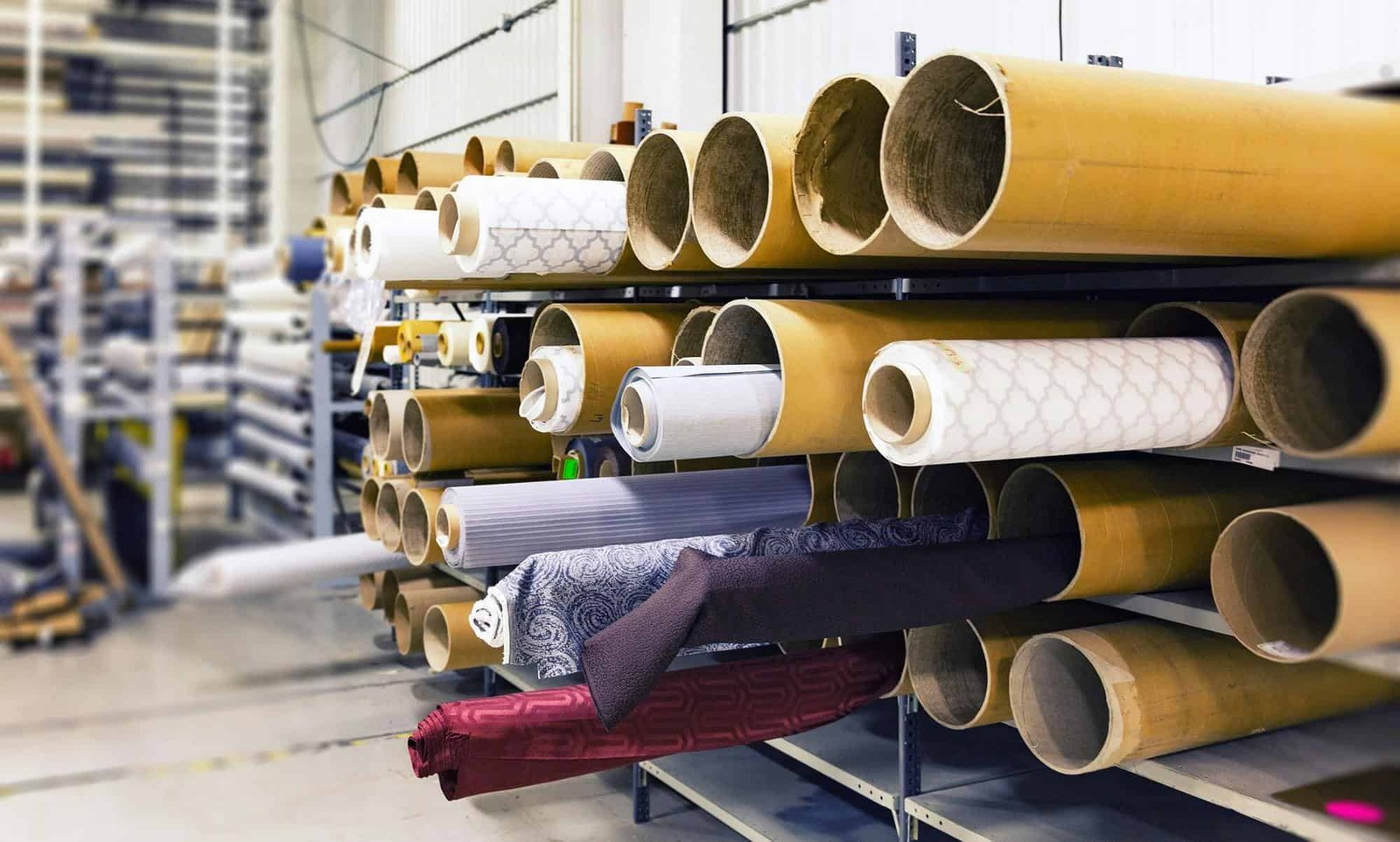
Source: Pexels
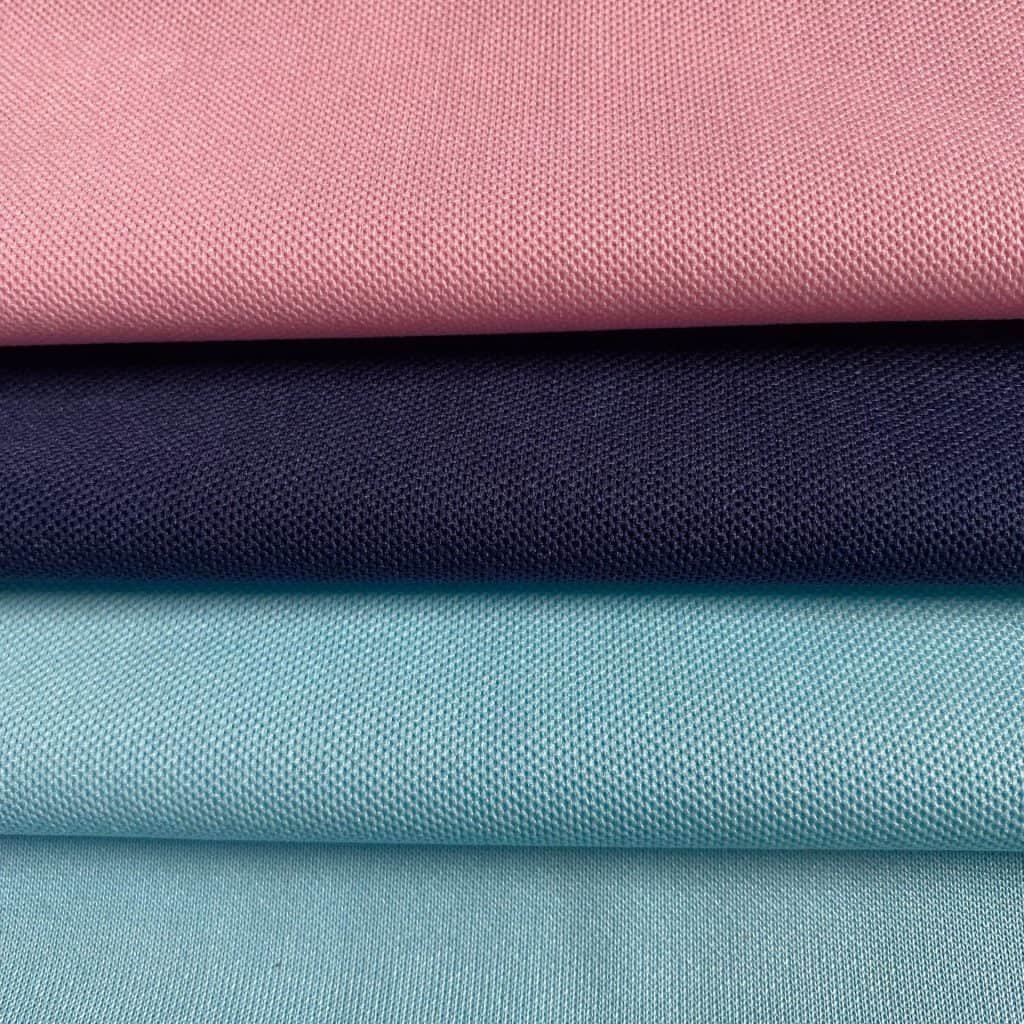
As delicate as it is, choosing the right type of fabric is essential to creating a skirt that will last as time goes by. In consideration of that, here are the most commonly used fabrics in the skirt manufacturing industry:
- Cotton: Most skirts are made up of cotton because it is cheaper and durable, making it perfect for casual skirts.
- Linen: If you are looking for a fabric suited for summer and a fabric that is lightweight, you should use linen.
- Silk: In making elegant skirts like peplum and pleated skirts, silk is the best option because of its elegant texture.
- Wool: In case you want to wear a skirt during winter, wool fabric is the best fabric to have due to its thickness.
Pattern Making and Cutting

Source: Cloudfront
Like I said, skirt patterns are like your own blueprint; they guide you. That being said, you must understand how to put your exact measurements into the skirt pattern of your choice while keeping in mind the various skirt styles.
The variety of skirt designs might confuse you, but with the right knowledge about pattern making as well as the various cuts for certain styles, you can be able to design a perfect skirt that you can market.
Pattern Making
Patterns are the foundation of your skirt. In order for you to design and create a skirt that can overcome market trends, you need a fixed and reliable pattern.
Still hesitant to create your skirt pattern? Don’t worry, I got your back! The following are the procedures you need to take note of in order to create your skirt pattern:
1. Sketch Your Design
Above all, your pattern must suit your taste, and remember that you are learning how to create your own pattern to resolve your longing for the design you want. With that, you must first sketch the skirt design that you want. It can be an A-line skirt, a Maxi skirt, a peplum skirt, a pencil skirt, or anything else that you want.
Just make sure that your sketch has the right parts on it to avoid mishaps and waste of time.
Remember to use your imagination when sketching your design. The types of skirts are just your foundation, but your imagination is what will bring your skirt design to life. So, unleash your artistic side and sketch beautifully!
2. Fabric Selection
Selecting the most suitable fabric for your skirt design can foreshadow the results of the whole process of skirt manufacturing. In layman’s terms, you need to consider the design that you want when choosing the fabric that you will use. For instance, you sketch your design, and your foundation is the pencil skirt. With that, you need to consider what type of fabric is highly suited for a pencil skirt. You can choose from denim, cotton, or linen.
Take in mind that if the fabric is not suited for the design that you want, you might create a dull skirt.
3. Take The Measurement
Normally, wrong measurements result in the wrong size, and this commonly happens when you do not take measurement seriously. In skirt manufacturing, in order to attract people to love your designs, you must know how to create patterns with accurate sizes.
Most importantly, in making a pattern for a skirt, take note of the most important parts that you need to measure accurately, such as the waistline, hip measurement, and length of the skirt.
Moreover, to get an accurate measurement, you must know how to properly use a tape measure since it is a vital tool for pattern making.
4. Pattern Block Creation
After you get the accurate measurements, it is now time to create the block pattern for your skirt. Your pattern block can be made of paper or cardboard, or you can create it digitally. Just remember to use a durable material when creating your pattern since you can reuse it in the near future.
Furthermore, here are some tips about marking your pattern in preparation for the cutting stage that might be a great help for you, particularly if you are a first-timer in the skirt manufacturing industry:
- Lay out your pattern pieces on your fabric and use pins to secure your pattern.
- Using your fabric marking tools, such as washable pens, tailor’s chalk, or a tracing wheel, trace your pattern into your fabric.
- Use your making tools to add allowances. With that, the standard seam allowance is 1.5 cm.
Cutting and Sewing in Women’s Skirts Manufacturing
Source: Google User Content
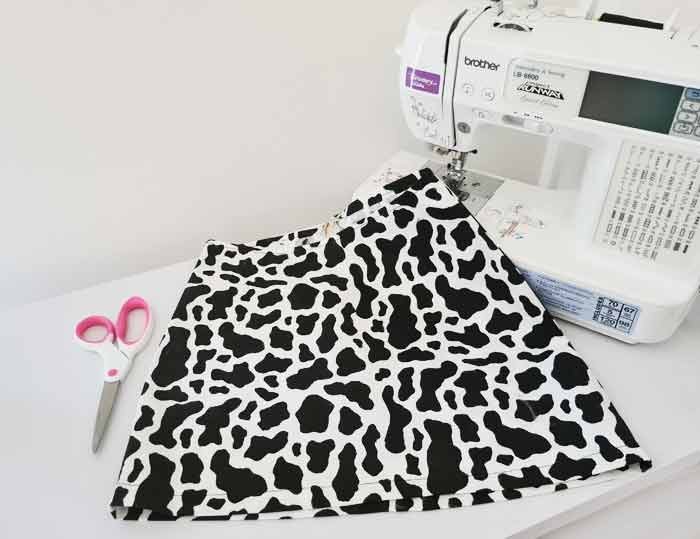
Skirt manufacturing requires not just accurate patterns but also the knowledge of how to cut and sew the fabric. You can consider this stage a critical one since you are now in the process of getting the results of your sketch and pattern-making.
How to Cut the Women’s Skirt
Since there are various styles of skirts, you need to consider the cuts for certain styles. With that, here is a step-by-step procedure on how to cut a woman’s skirt:
1. Use Your Pattern
Fold first your fabric. After you lay out your skirt pattern on your fabric, use pins to secure it. You will need pens to mark the measurements and the allowances. Remember to use a pen that is easily traced and cannot damage the fabric.
Following, remove your pattern from the fabric but make sure that you already add seam allowance to it since you will be needing that.
2. Cut Your Fabric
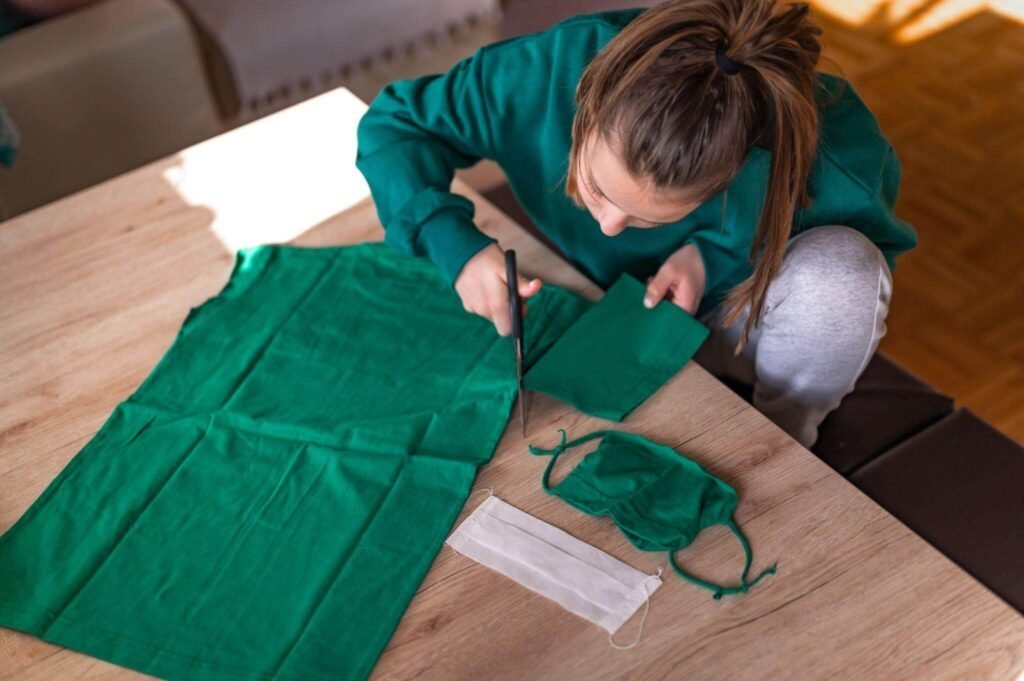
After that, use sharp scissors to cut the fabric. I highly suggest that you use dressmaking scissors or tailor’s shears since they are the most commonly used type of scissors when it comes to cutting fabric. In addition, these two have longer blades that can provide greater precision and ease your cutting process.
Take note that you should not cut along the fold; you should cut along the seam allowances to prevent affecting the measurements of each part.
Sewing of Women’s Skirt
Sewing is the process where you attach the back and front of the skirt as well as the waistband. In addition, you can choose between a zippered or gathered skirt; this will depend on your taste and the style of skirt that your pattern has.
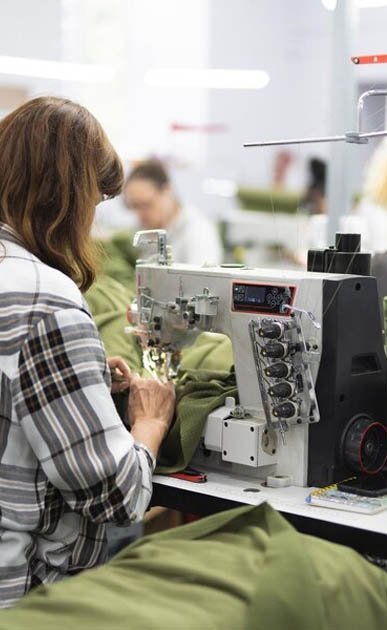
In sewing a skirt, you can use a high-speed sewing machine or an overlock sewing machine. Just remember to pick the color of the thread that is aligned with the color of your fabric.
Different Types of Seams for Women’s Skirt
In skirt manufacturing, there are various types of seams that are used for certain fabrics. Seam is a method where pieces of fabric are joined together to create a product or a skirt. Further, seam selection depends on what product you are going to make. In consideration for a woman’s skirt, these are the seams that you can use:
1. Plain Seam
Source: SewGuide
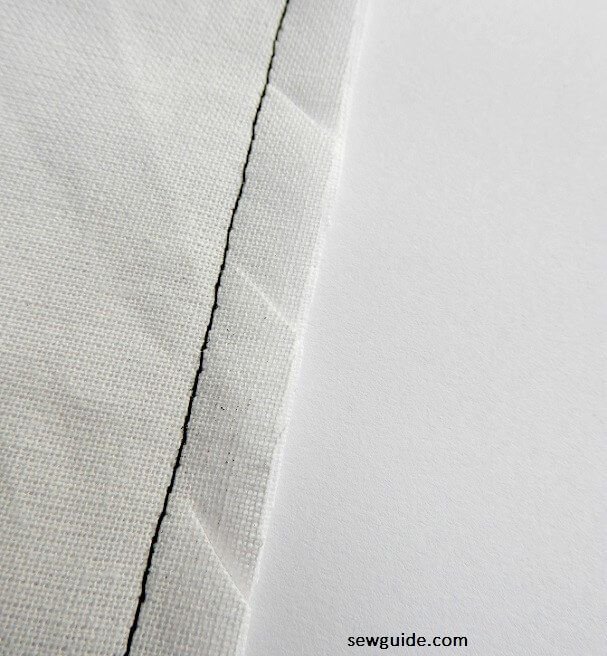
Plain seam is considered the most commonly used type of seam since it just attaches the two pieces of fabric together in order to create a whole. Most likely, plain seams can be found in flowy skirts like maxi skirts since this seam is used for thinner fabrics like linen.
2. Double-stitched Seam

Source: Treasurie
If you need to strengthen your fabric’s attachment, I say go for double-stitched seam since it is mainly used for thicker fabrics like denim.
3. French Seam
Source: Doina Alexei
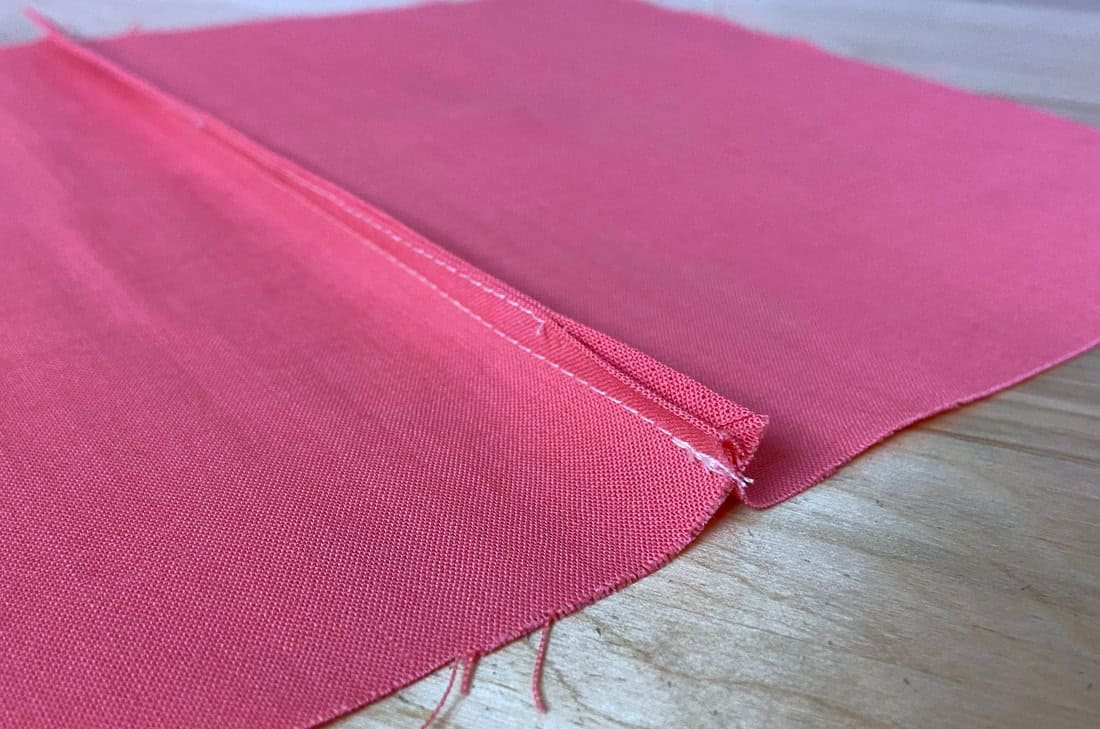
This seam is usually used for lightweight fabrics like sheer and used for sewing sheer skirts.
4. Flat-felled Seam
Source: Itch to Stitch
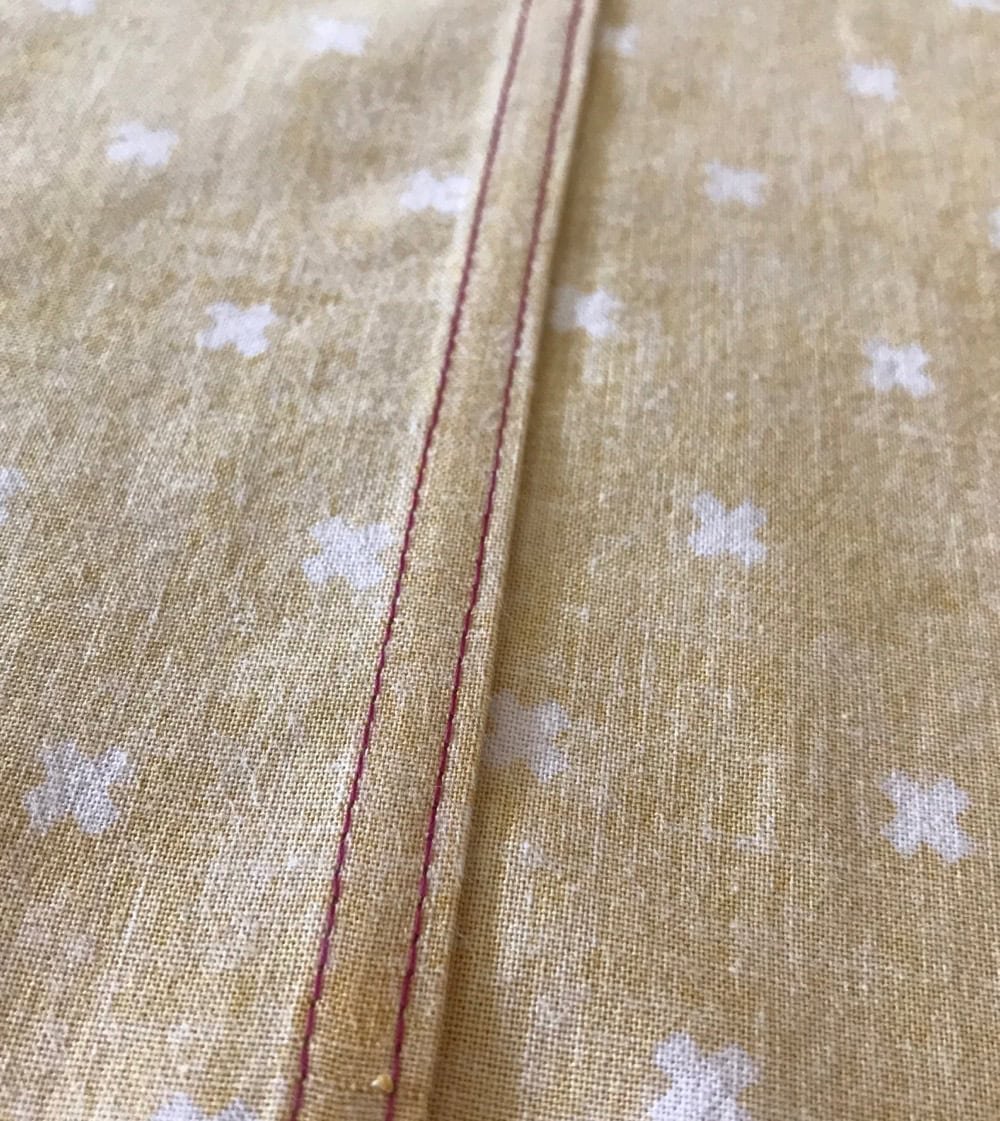
This seam has a double-stitched seam and closed seam in nature, making it suitable for denim and thicker fabrics.
Measurement Points for Women’s Skirt

Source: Annaskoblikova
To successfully create a perfect skirt for your side hustle or just for yourself, having knowledge regarding accurate measurement points for women’s skirts is highly advisable since you cannot create a pattern without the measurements. Hence, you need to take note of the following measurement points for women’s skirts:
- Waist
- Hips
- Leg Circumference
- Length of the skirt
The Art of Printing
Skirt manufacturing also focuses on producing unique designs that can stand out in the market. You don’t want to be labeled as a copycat, which is why you need to dive deeper into the methods that you can use to create a unique skirt. And the art of printing is the one that can help you with that!
The following are the common printing techniques used for skirts:
1. Screen Printing
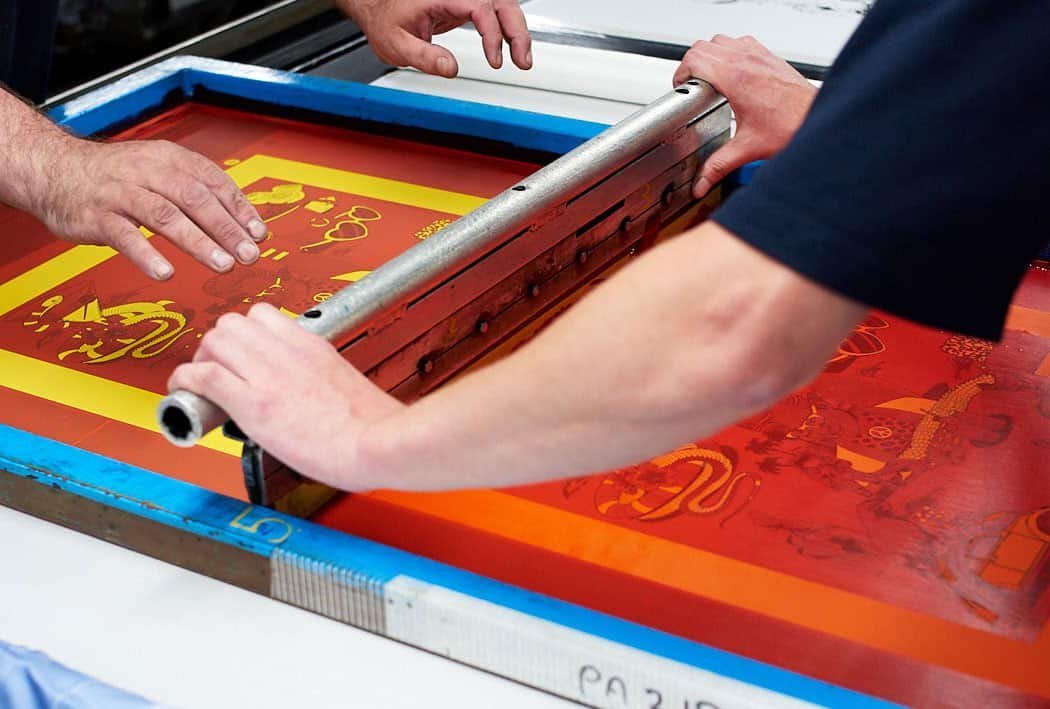
Source: Biddle sawyer silks
Screen printing or commonly known as silk printing is a process where a stenciled design is transferred into the fabric using a mesh screen, an ink, and a rubber blade.
Screen printing can be traced back to the Song Dynasty in China during the 960-1279 AD. The practice of using screen printing to give colors and design to the bare fabric is still alive and popular in some Asian countries including China and the Philippines.
If you are going to use screen printing, you might feel the ancient aura that it has! A fascinating method of printing with a fascinating history behind it. Isn’t it cool?
2. Direct-To-Garment Printing
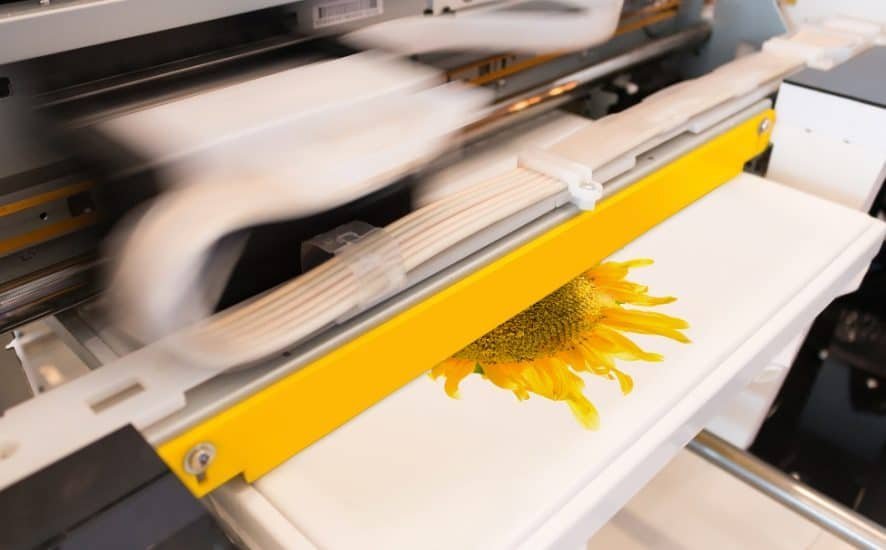
Source: Contrado Pinimg
Direct-to-garment printing is a method where you will use a specialized printer that allows the design to be imprinted into the fabric. Unlike with screen printing, direct-to-garment printing has more detail since it uses mechanical machines and technology.
3. Embroidery
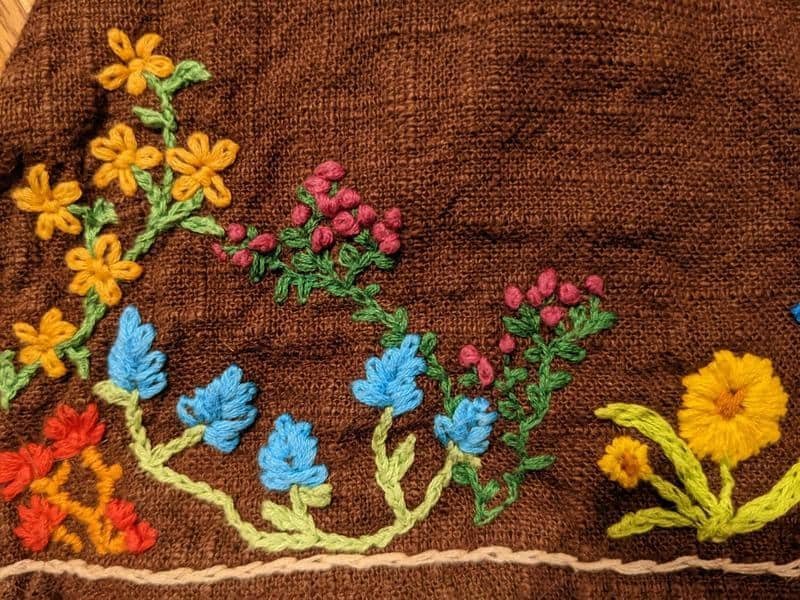
Source: Deliberate Owl
Embroidery is a printing technique that uses stitching. It can be traced back to 30,000 BC in China and up until this day is still being practiced in some Asian countries like screen printing. In embroidery, you are using different threads with various colors and a pattern that is most likely to be followed in order to create a design for your skirt.
Different Types of Garment Washing for Ladies’ Skirts
Source: Garments Merchandising
Taking care of the fabric is crucial to prolong the lifespan of the skirt. Having the knowledge on how to properly wash the skirt while considering its fabric is important to avoid any damage to the skirt.
Some of the types of garment washing for ladies’ skirts are:
- Normal Wash: This is the most common way of washing garments, such as skirts. It can be with the use of traditional methods or with the use of mechanical appliances like washing machines.
- Pigment Wash: If you want to add some fading effect to your skirt, you must use a pigment wash.
- Stone Wash: This type of garnet washing requires literal stones to wash the garment; normally, stone wash is used for garments made of thick fabrics like denim since natural wash cannot really remove the dirt from them due to a lack of friction.
- Caustic Wash: Another type of garment washing that can add a fading effect to your fabric is the caustic wash.
Fabric Dyeing Technique for Ladies Skirts

Source: Pexels
Skirt manufacturing design does not stop with the art of printing; there’s more! Fabric dyeing techniques for ladies’ skirts are popular for women since they establish eye-pleasing designs for different seasons. With that, here are the fabric dyeing techniques for ladies’ skirts that you can use in skirt manufacturing:
1. Tie-dye
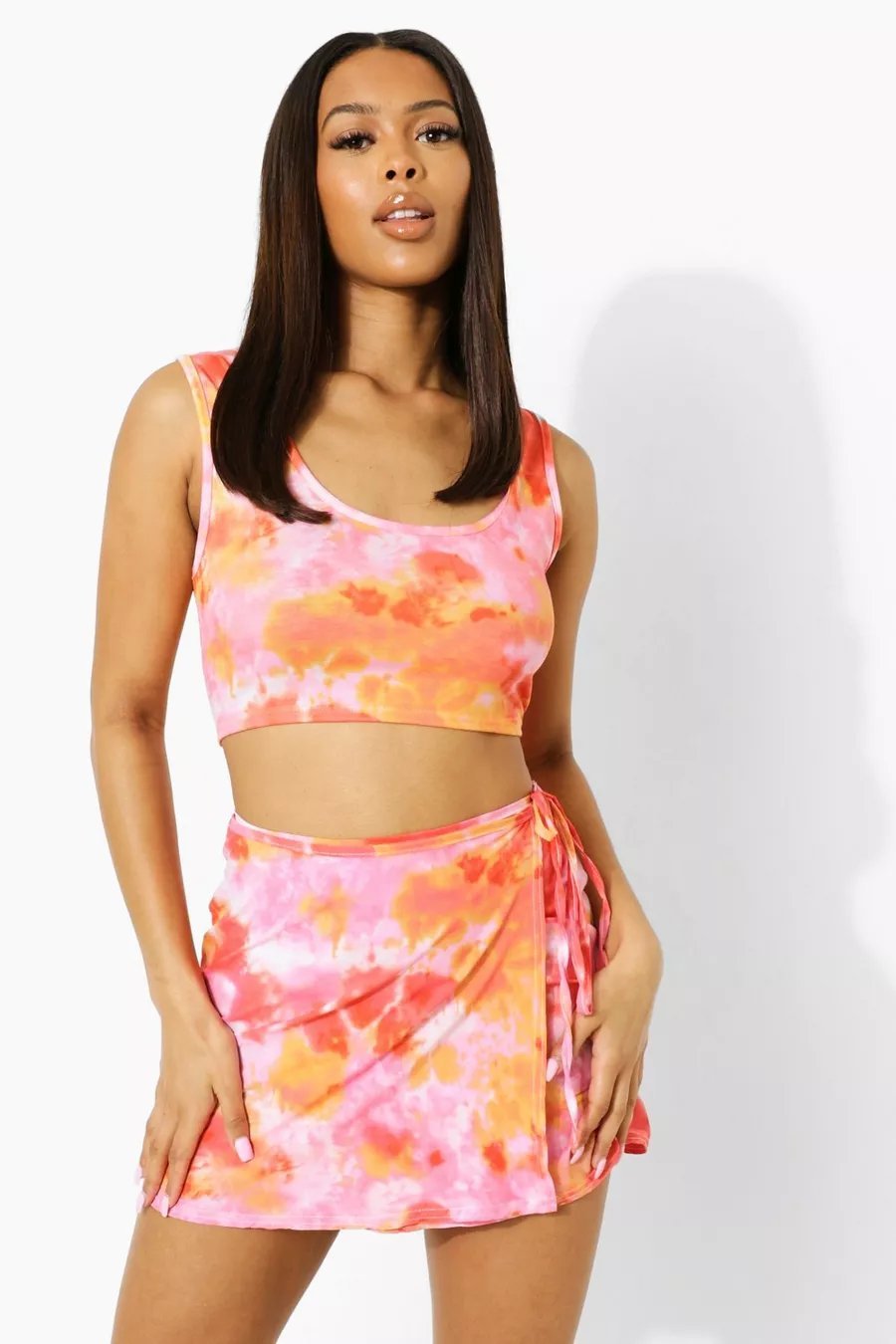
Source: Boohoo
You can create your patterns by scrunching, twisting, and tying the fabric and then applying your desired colors. Tie-dyeing is commonly used to create circular designs on the fabric.
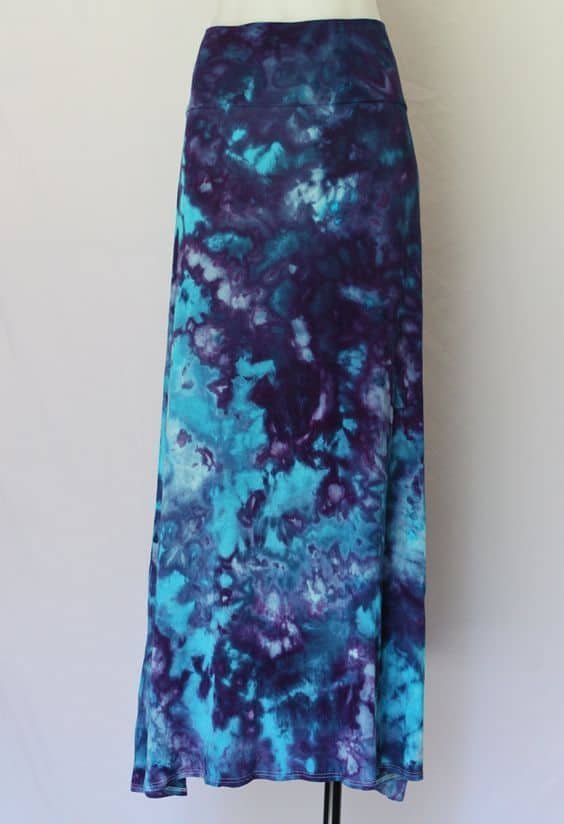
2. Ice dye
Source: Pinterest
You want something cold and with a bit of science? Then use a dyeing technique. This technique uses melting ice to control the color distribution in the film.
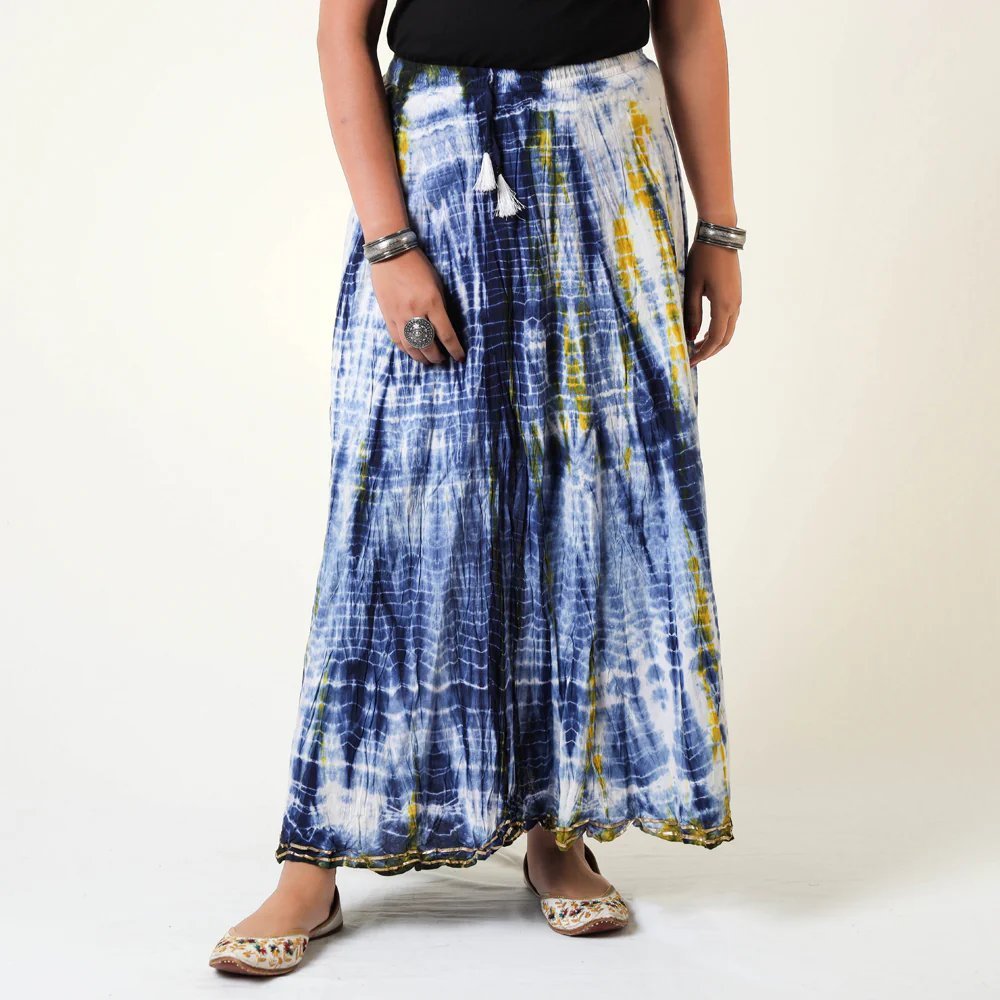
3. Shibori
Source: iTokri
Sounds like a Japanese word? Well, the Shibori technique of dyeing came from Japan. This technique uses natural indigo dye and traditional Japanese methods to create a vibrant design.
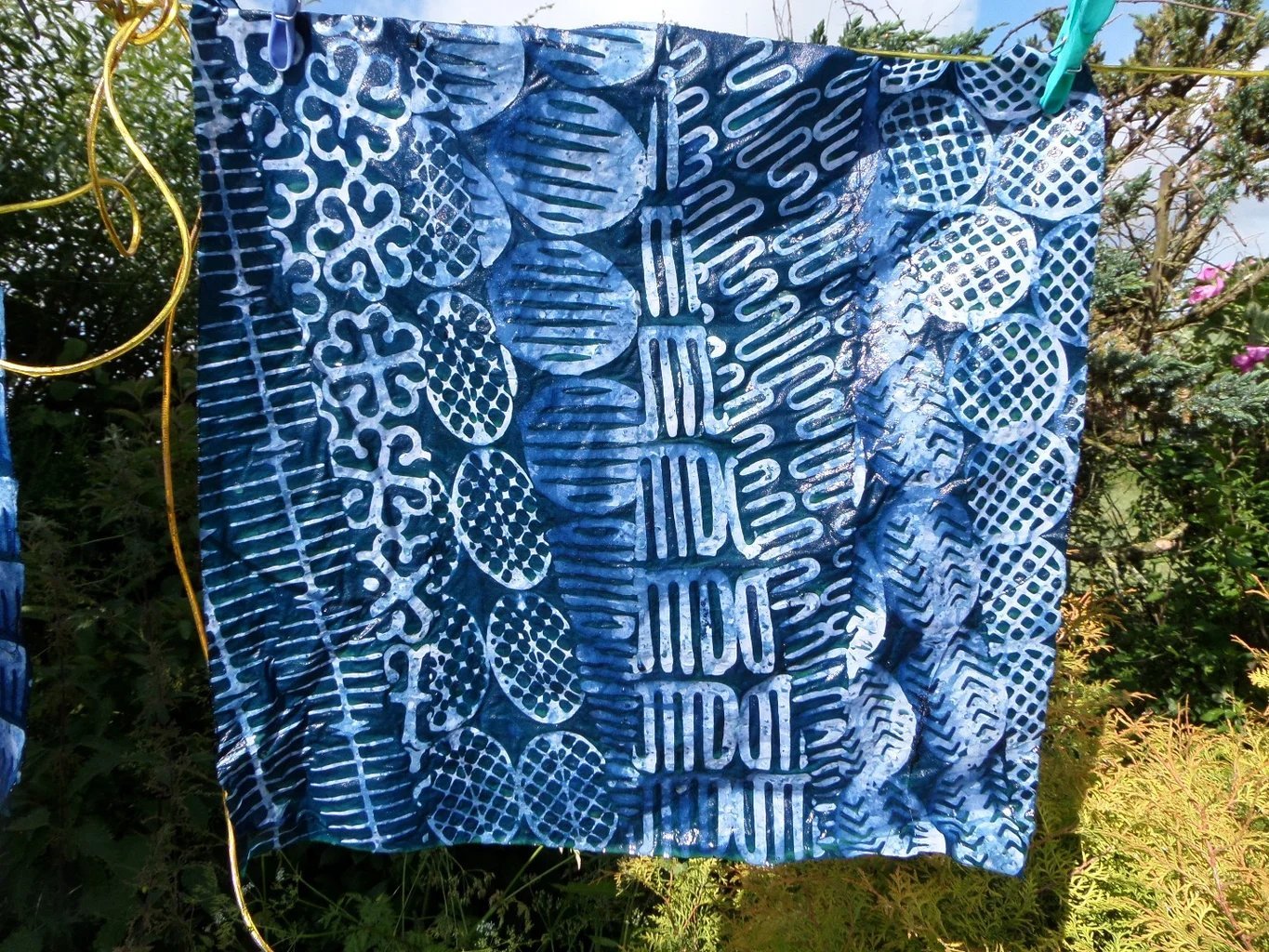
4. Resist dye
Source: Instructables
This technique involves the fabric being soaked in a dye bath. In order to control the color distribution, the fabric has ties on it that prevent the colors from entering the other areas of the fabric.
Quality Control Measures
Source: Pexels
Ensuring the quality of the skirt is essential to avoid any problems; it helps to ensure that the skirt meets the required standards. There are procedures for evaluating the utility of the skirt, such as textile testing, product design analysis, yarn inspection, and seam inspection.
These procedures aim to prevent any negative feedback from your customers that might negatively affect your business. By doing a quality inspection, you are also allowing yourself to test the effectiveness of the beforehand procedures, including the patterns and measurements.
Remember that a well-made skirt has durable seams, strong stitches, and hems that are neatly sewn. The plus factor is the design, if the skirt really follows the sketch you made before.
Sizing and Fitting
A sizing and fitting test is required to ensure that you follow the exact measures that you take before creating your pattern. This procedure will allow you to see if the body and the skirt interact properly with each other; if not, maybe you took the wrong measurement. As I told you, measurement is the foundation of your skirt. That is why having the appropriate measures and knowing the measurement point for a ladies’ skirt is highly important to keep in mind.
Don’t worry if you failed to have the skirt that you dreamed of. Try analyzing this guide for skirt manufacturing again; you might figure out where you went wrong.
But if you successfully create your desired skirt with the design that you want, it is more likely that you will follow this guide, and I am glad that you do!
Packaging and Branding
Source: Pexels
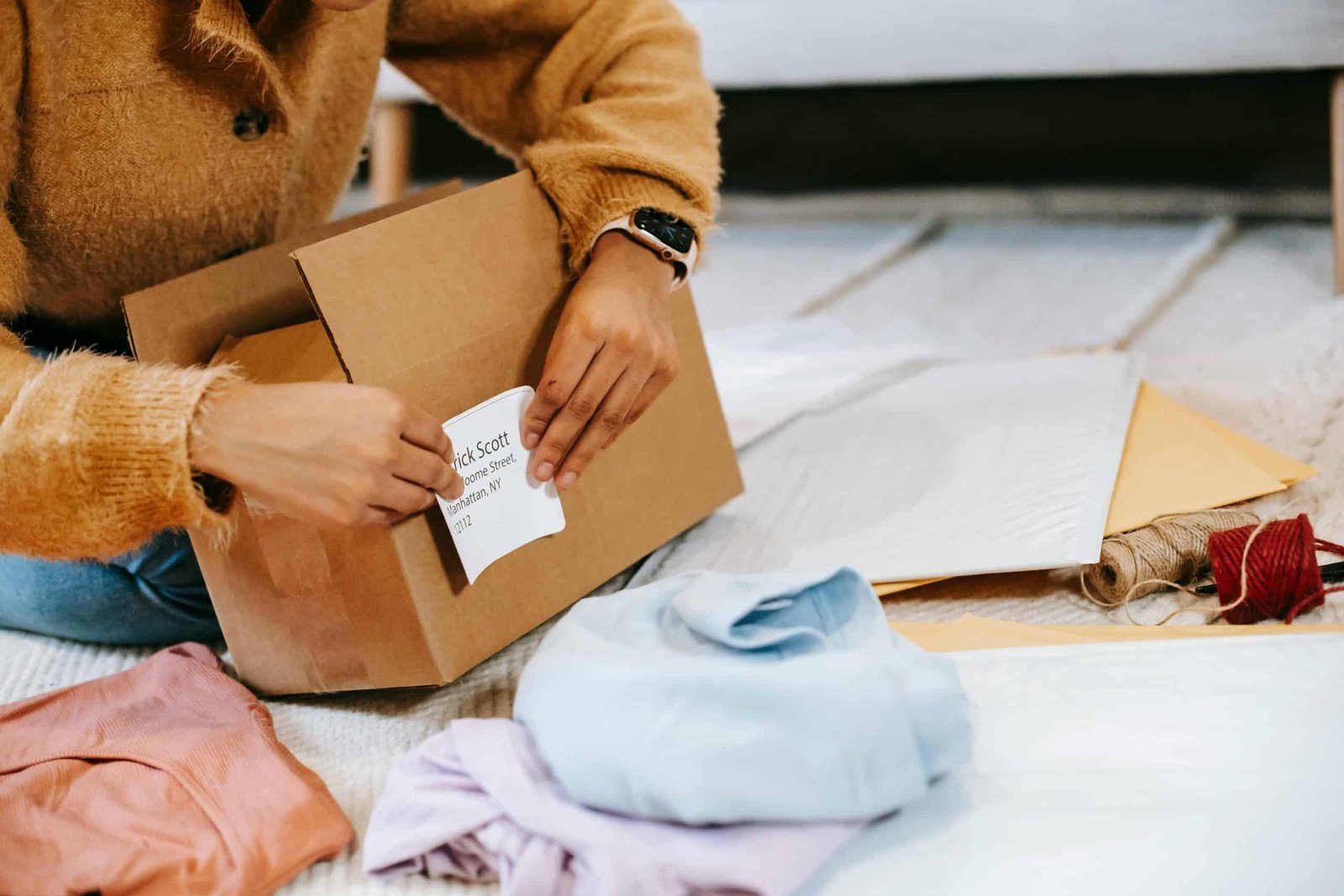
Uniqueness is important to stand out in the skirt manufacturing industry. You must focus on your packaging and branding strategy to make it more unique from the already established brands. Whether you want to apply your knowledge of skirt manufacturing to your small business or side hustle, you must create unique yet interesting packaging and branding. Hence, these are the elements you need:
- Labeling: It is a component of your marketing strategy. To attract your potential customers, you must have an eye-catching label. A label that symbolizes you or has a special meaning behind it. In addition, you also need to consider the logo, care instructions, fiber content, and other relevant information regarding your skirt.
- Tags: In creating a tag, you should consider the durability of the material that you will use since it will be hanging around your desk.
- Packaging: Having the right packaging is a must. Try to consider your product’s weight as well as the best packages that will help you capture your customers, such as cardboard boxes, polybags, and other reliable packaging materials.
Conclusion
Overall, the manufacturing of women’s skirts follows a thorough process that will determine the life of the skirt. If you use the wrong fabric, your skirts will most likely be damaged easily. Keeping in mind all the guides I provided for you, I know that you can start your own collection of skirts, and you might be one of the future trendsetters in the market!
If you want to dive deeper into the skirt manufacturing industry, don’t hesitate to contact us today. We will help you bring your dream skirts to life!