Acrylic Fabric: Discover the benefits, types and uses
Acrylic fabric has improved the fashion industry by providing a sustainable and cost-effective alternative to wool. It is a textile that many people like to use because it lasts a long time. Many folks like the acrylic fabric because it’s easy to care for and feels comfortable to use!
In the 1940s, DuPont created a fabric called ‘fiber A’ or acrylic fabric. They tried selling it like silk fabric, but only a few are interested. In the 1950s, they found a way to make it popular by selling it like wool fabric – a thicker fabric with a soft texture, like a wool fabric without the itchiness that often accompanies natural fibers.
This makes it a popular choice for clothing that will be worn close to the skin, such as sweaters, scarves, and hats.
What Is Acrylic Fabric?
Acrylic fabric is a versatile material that has been used in a variety of applications. It is made from polymer fibers that are created through a process of chemical synthesis.
It is made from tiny synthetic fibers, making it sturdy and long-lasting. It’s also very soft and can resist damage from the sun, mold, and chemicals.
People often use this as a substitute for wool. It has similar qualities but costs less and offers the same warmth and comfort, although it is not as breathable as natural fibers and can pill easily.
Characteristics of acrylic fabric
Acrylic textile is suitable for people with sensitive skin because it is hypoallergenic.
It is highly versatile and can be used for a variety of applications, from clothing to upholstery. It has low moisture absorbency, dries quickly, and is resistant to mildew and mold, making it a popular choice for outdoor gear and upholstery.
However, it is highly flammable and can melt when exposed to high heat, which can be a disadvantage in certain applications.
What Is Acrylic Fabric Made Of?
Acrylic textiles are created by forming synthetic polymer fibers into tiny threads. They produce it from acrylonitrile, derived from materials such as petroleum or coal. They convert acrylonitrile into small pellets known as ‘acrylic resin.’ These are then used to make the fabric.
A shower-like device known as a spinneret pushes the acrylic resin so the fibers don’t break. The fibers get twisted into yarn and then used to make different things by weaving or knitting.
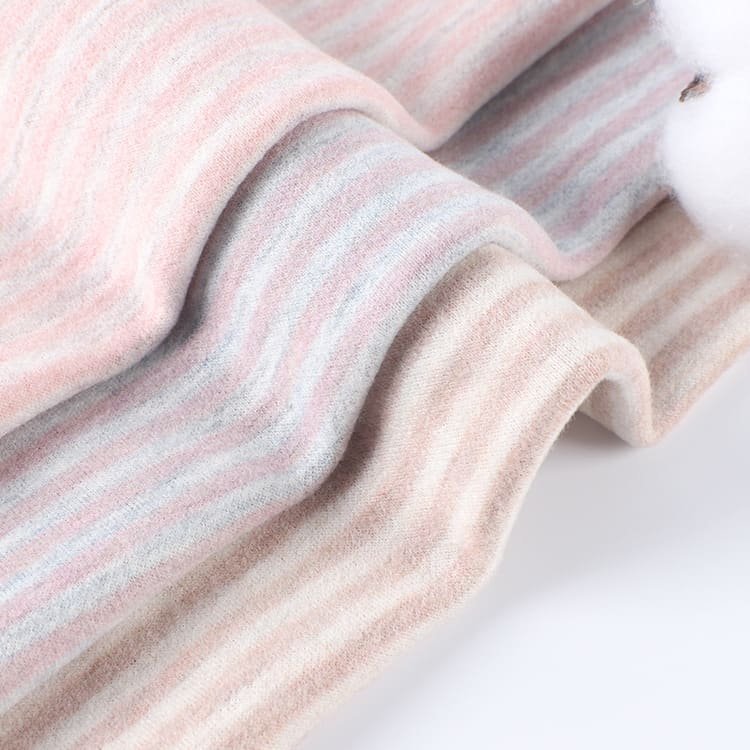
What is Acrylic Fabric Used For?
Acrylic fabric has become a beloved textile across a wide range of applications. Let’s take a closer look at the various uses of acrylic fabric:
Clothing
Clothing designers use acrylic textile to create sweaters, scarves, beanies, hats, and socks. Sometimes, they mix it with wool or cotton to make it stronger and easier to breathe.
Bedding
Acrylic textile is ideal for making bedding such as blankets, throws, and comforters. It provides warmth and softness without the weight of natural fibers like wool.
Outdoor gear
Acrylic textile is used for outdoor furniture because it doesn’t fade or get moldy easily. It can also be made to resemble natural fibers like cotton or linen.
Upholstery
Acrylic textile is great for outdoor furniture because it doesn’t easily develop mold. It can also be made to resemble natural fibers like cotton or linen.
Types Of Acrylic Fabric
Acrylic fabric can come in a variety of types, each with its own unique characteristics and uses. Some of these types include:
Acrylic
Acrylic fiber is usually 85% pure acrylonitrile and is made through wet or dry spinning. To create a light, fluffy, wool-like feel and appearance, makers texturize the fibers.
Acrylic fibers can take on acid and sunlight like a champ.
Modacrylic
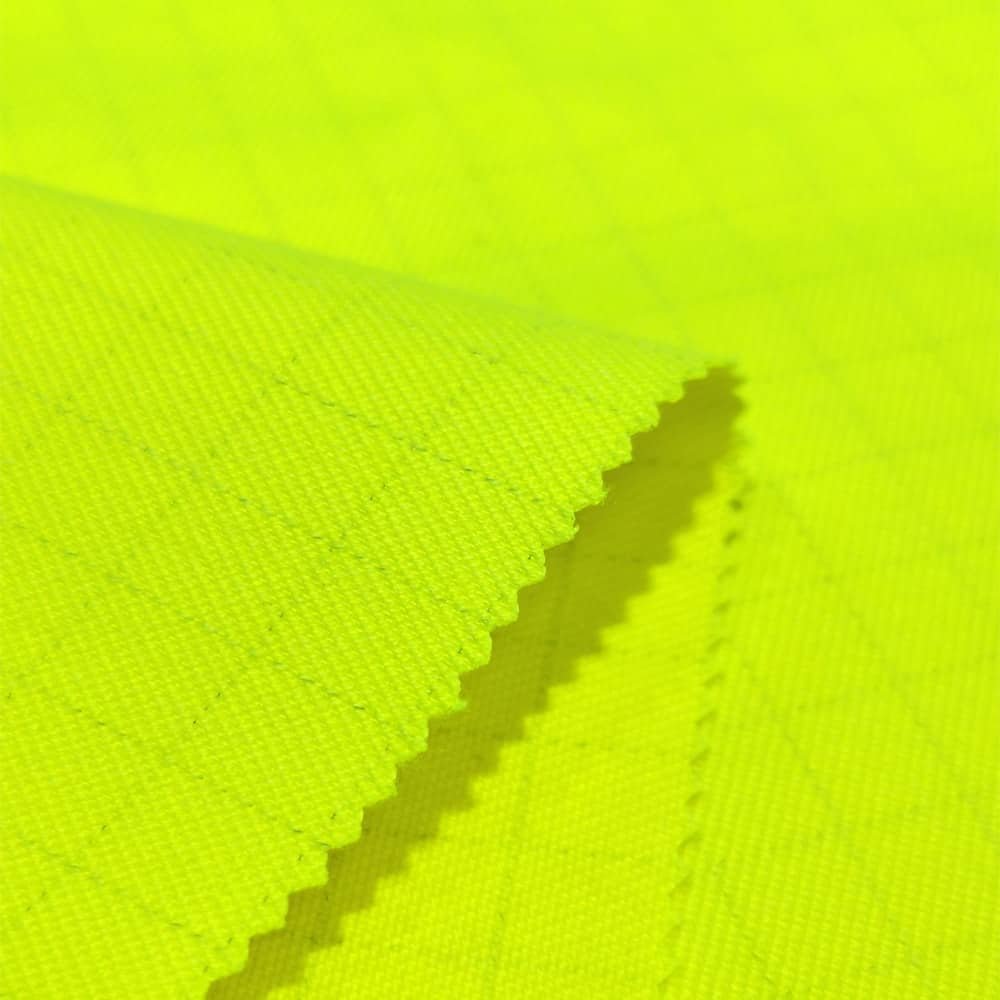
Modacrylic is a type of acrylic fiber that can resist flames. It’s made using two substances called acrylonitrile and vinyl chloride. It is often used in clothing worn in industries with a risk of fire or electrical hazards.
Modacrylic is also resistant to mildew and insects. That is why it’s often used for making carpets and wigs.
Nytril
Nytril is firm, durable, and resistant to abrasion. It is often used in ropes, seat belts, and protective clothing.
It is a type of acrylic fiber that is composed of vinylidene dinitrile. Polymers are used in making nitrile fibers. These polymers need at least 85% vinylidene dinitrile units and a bit of vinyl acetate.
Lastrile
Lastrile is known for its resistance to fading, shrinkage, and wrinkles. It is a popular choice for swimwear, athletic wear, and lingerie.
Manufacturers mix acrylonitrile copolymers with dienes, such as butadiene, to produce it. Lastrile is a stretchy type of material made from acrylic fiber that has 10% to 50% acrylonitrile units in it.
Advantages Of Acrylic Fabric
- Acrylic fabric is less expensive than natural fibers like wool.
- Acrylic fabric is both lightweight and low-maintenance.
- Acrylic fibers have good resistance to sunlight and chemicals.
- They are hypoallergenic and resistant to moths.
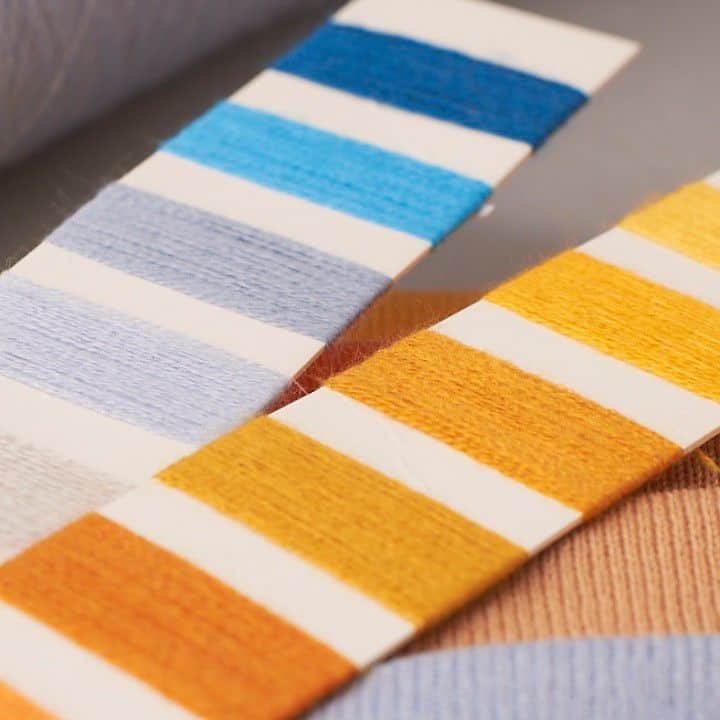
- Acrylic clothes keep their color bright even after washing them many times. You can also dye them in different colors.
- They are also wrinkle-resistant and quick-drying.
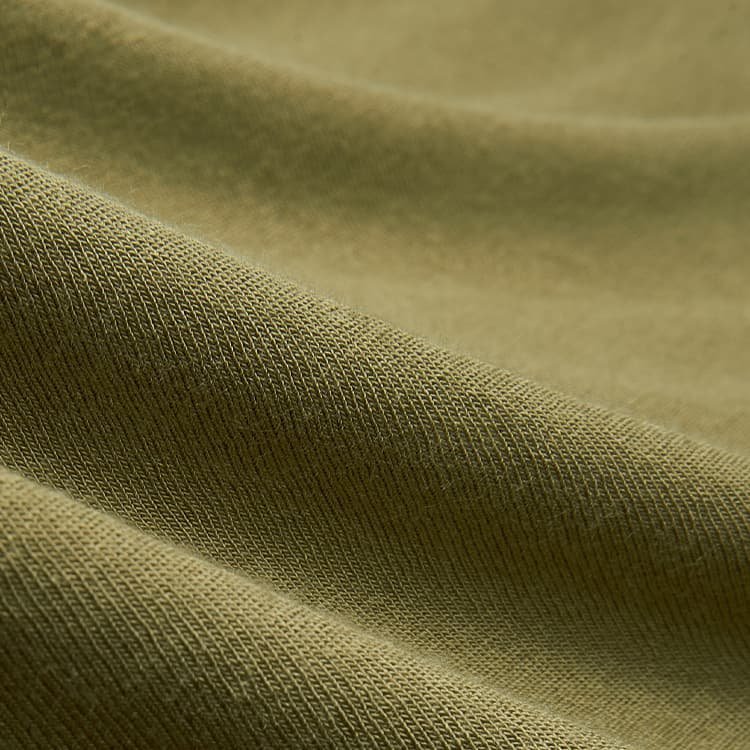
- Acrylic fabrics come in different textures, like soft and fluffy or smooth and sleek.
Disadvantages Of Acrylic Fabric
- It is prone to pilling and static build-up.
- It is not as breathable as natural fibers such as cotton or wool.
- It can be uncomfortable for some people as it doesn’t regulate temperature well.
- It’s not as environmentally friendly as natural fibers.
- It can melt or burn quickly compared to natural fibers, which can be a safety hazard.
FAQ About Acrylic Fabric
How is an acrylic fabric made?
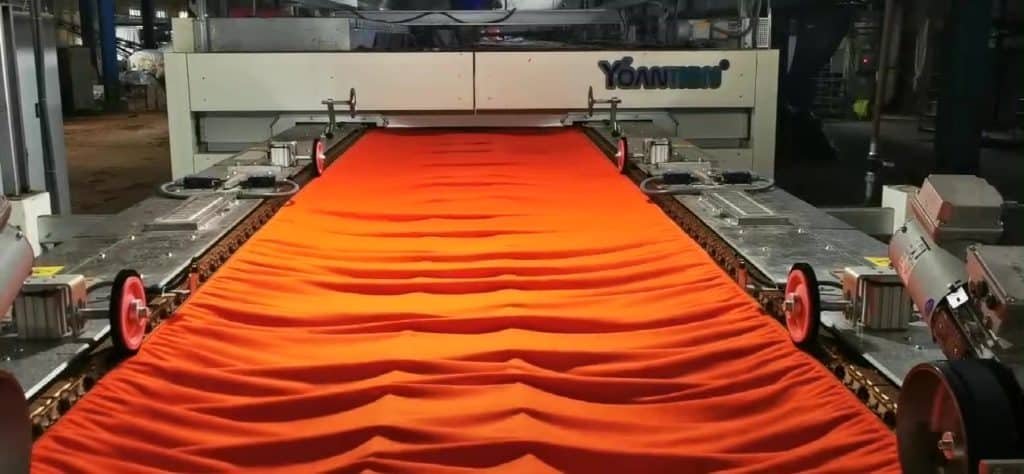
To produce this fabric, makers combine acrylonitrile monomers to create lengthy chains. Next, they make the long chains into long strings that look like wool. Finally, machines weave or knit the strings to manufacture various types of fabrics.
How to dye acrylic yarn and fabric?
Choose an acid dye for synthetic fibers to add color to acrylic yarn or fabric. Mix it with hot water to create a dye bath, and stir your acrylic in the dye bath to ensure even distribution.
Heat the dye bath for at least 30 minutes at 180-200°F (82-93°C) to let the dye absorb. Rinse the fabric with warm water to remove excess paint, wash it with mild soap, and air dry.
Do not expose the acrylic to high heat; follow the dye manufacturer’s instructions.
Can acrylic yarn withstand heat?
Acrylic yarn can withstand heat to a certain extent. Still, it has a lower melting point than natural fibers such as wool or cotton. When exposed to high heat, acrylic yarn can melt, lose shape, and become damaged.
To avoid melting or damaging acrylic yarn, wash it in warm water, tumble dry it on low, or air dry it.
Conclusion
Acrylic fabric is a synthetic material that’s widely used and has many advantages. It’s soft, strong, and can withstand exposure to sunlight and chemicals. It replaces wool in clothing, home furnishings, upholstery, and outdoor gear.
The acrylic fabric could be better, but it has some drawbacks. It involves non-renewable resource use, poor airflow, and pilling. It is still a practical and affordable choice for many purposes.