 Bamboo As A Fabric: Everything You Need To Know About Bamboo Fabric
Bamboo fabric is a general term used for different fabrics made from the bamboo plant. People have been using bamboo for thousands of years already. They used bamboo for anything– from building shelter to food.
During the 1800s, the Chinese and Japanese used bamboo to make shoes and hats. However, bamboo has only recently been used as fabric.
There were many attempts to turn bamboo fibers into fabric. And, Philipp Lichtenstadt was the first to patent bamboo textile in 1864. It was only in 2001 that Beijing University successfully transformed bamboo into fabric.
Since then, many have started using bamboo to make fabrics for clothing.
What Is Bamboo Fabric?
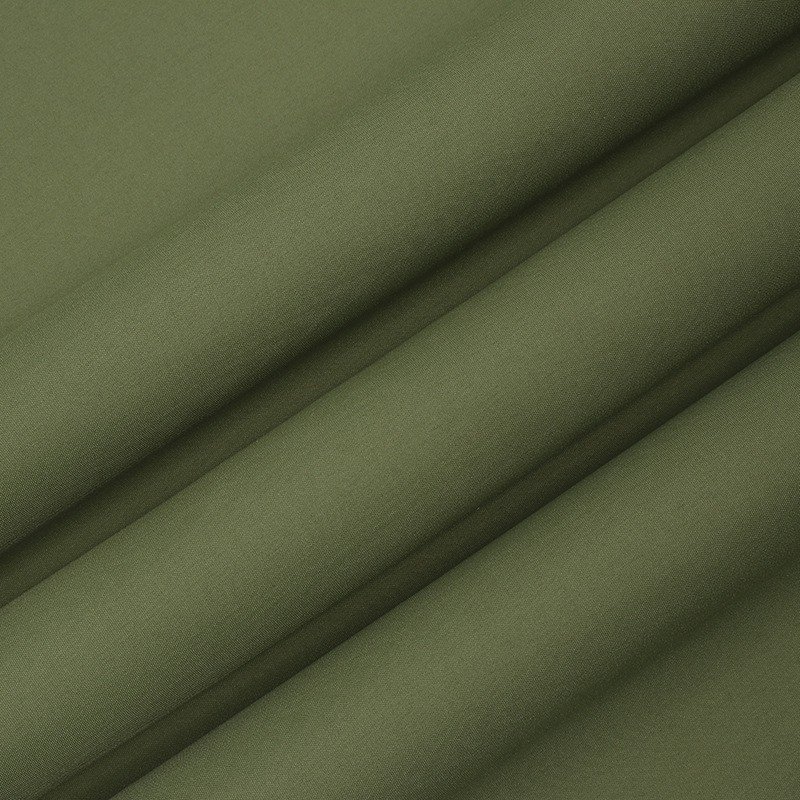
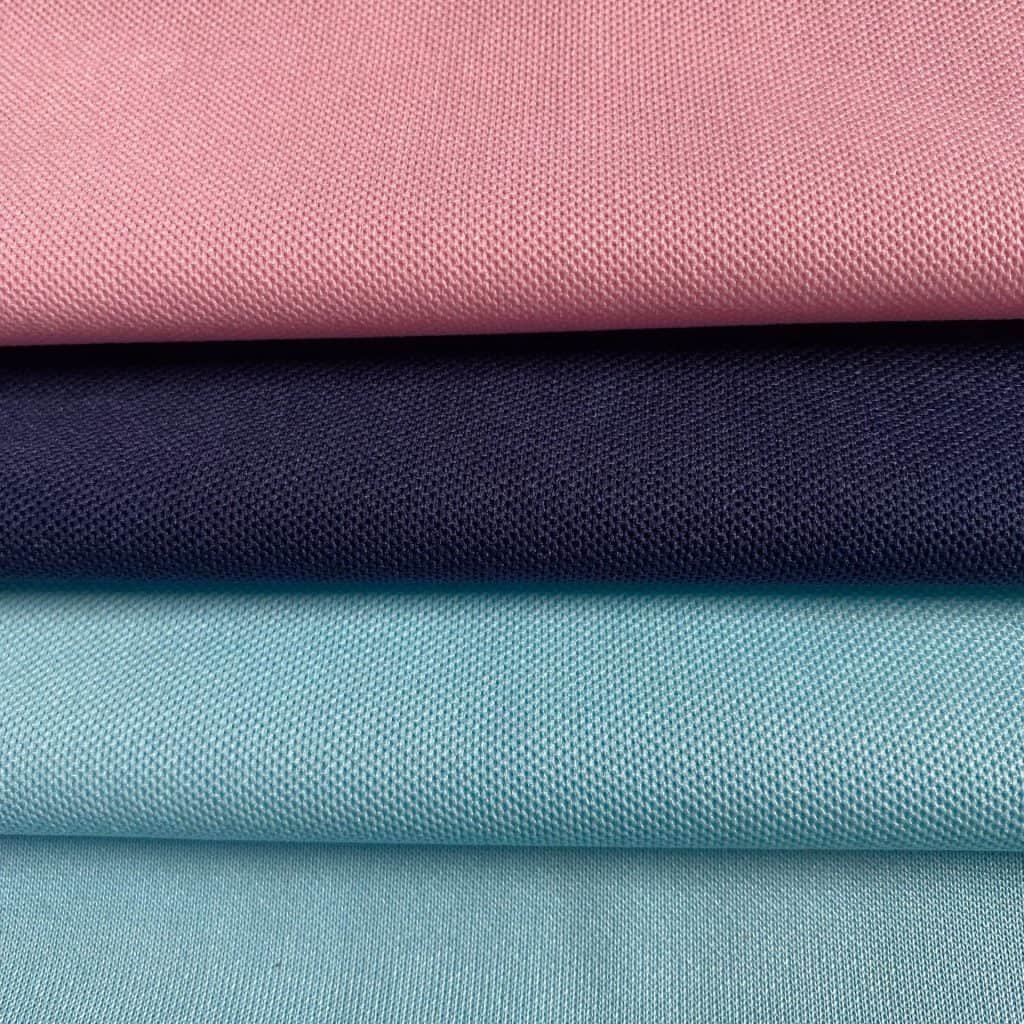
Bamboo fabric is a plant-based fabric made from bamboo pulp. It’s a natural fabric that’s either exposed to enzymes or chemicals in the production process. The end product is usually soft, comparable to cotton or even silk.
Types Of Bamboo Fabric
Because of innovation, there are now many variations. Here are the most common bamboo textile variations.
Bamboo viscose fabric
This is the most popular type of bamboo fabric. The texture and feel are almost like regular viscose. Bamboo viscose fabrics are softer than cotton. It’s used to create bedsheets and clothing.
Bamboo viscose uses chemicals (carbon disulfide) to change the pulp’s characteristics. This is questionable, though– especially for those who are into sustainability.
Lyocell bamboo textile
The lyocell bamboo textile is almost like bamboo viscose. But it uses a closed-loop production method to weave the fabric. The structure of the bamboo’s cellulose is also not altered during production. So, lyocell bamboo textiles are less harmful to the environment.
Lyocell fabrics are smooth, lightweight, and don’t crease. It makes comfortable clothing such as dresses, formal shirts, and intimate apparel.
Mechanically-processed bamboo textile
This is often referred to as ‘natural bamboo textile.’ It’s rougher than the other two because it’s naturally made. So, this isn’t suitable for softer clothing pieces like undergarments.
What Is Bamboo Fabric Used for?
Bamboo fabric is a good alternative to cotton because of its similar properties. Here are some common uses:
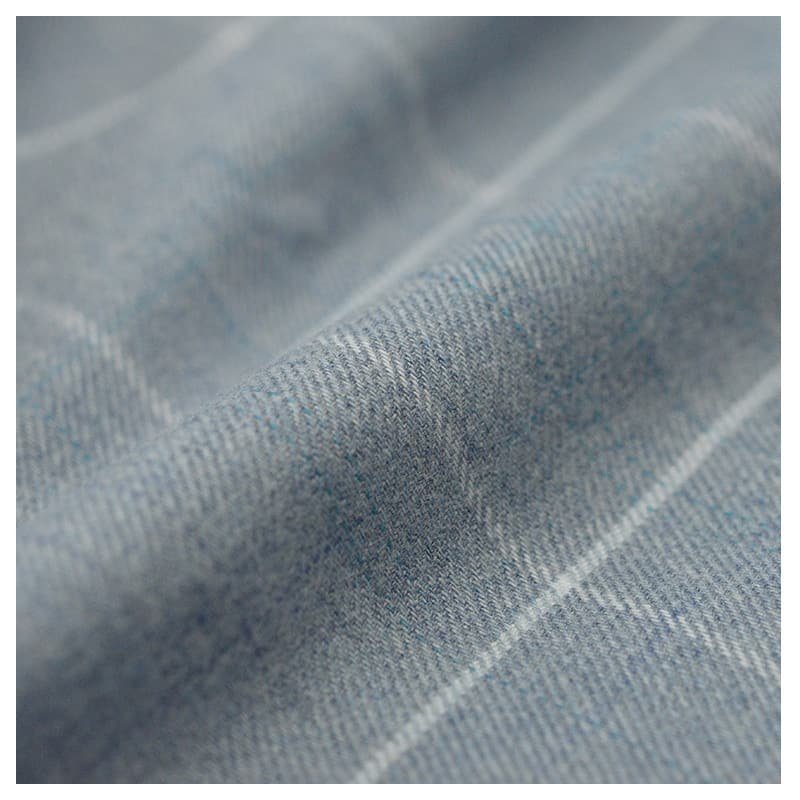
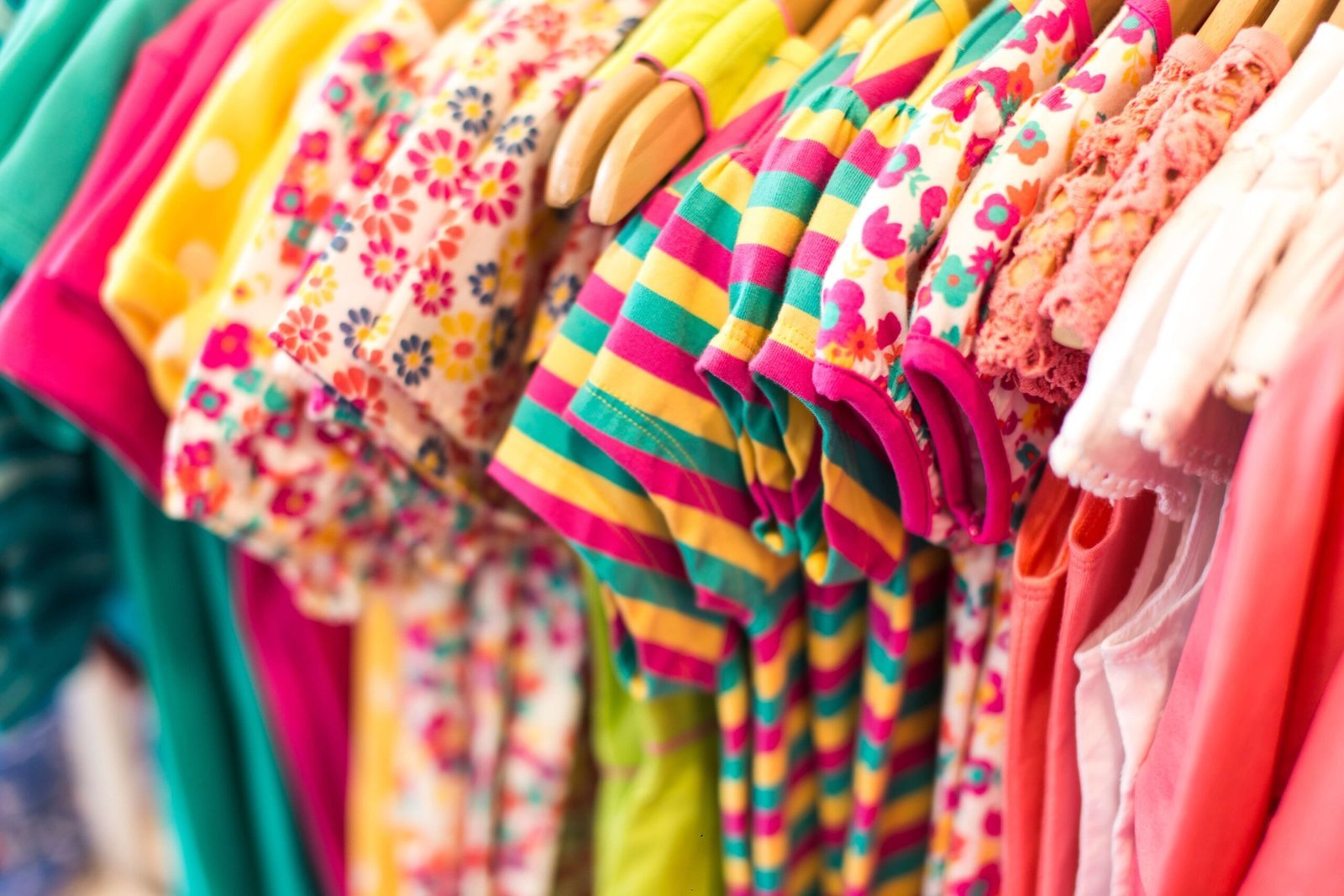
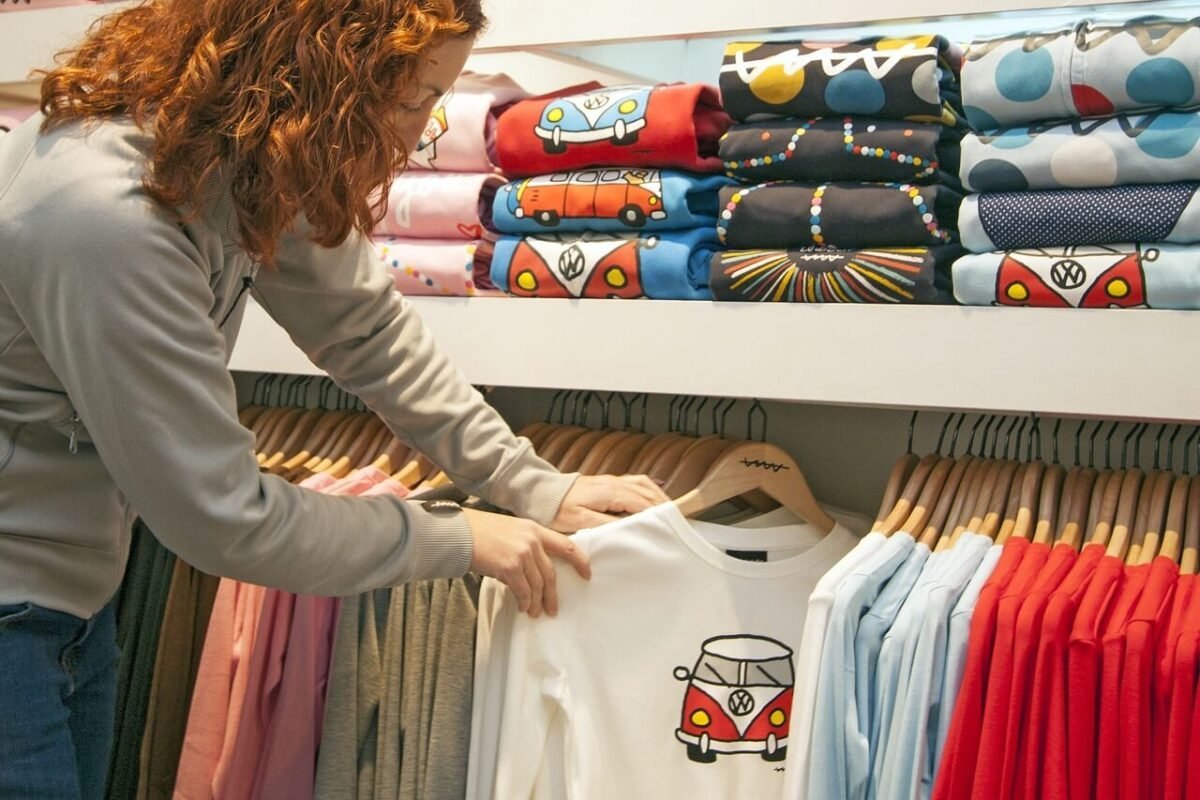
- Clothing: You may see socks and T-shirts made from this fabric. But it’s also popular for underwear, shirts , sleepwear, and bathrobes.
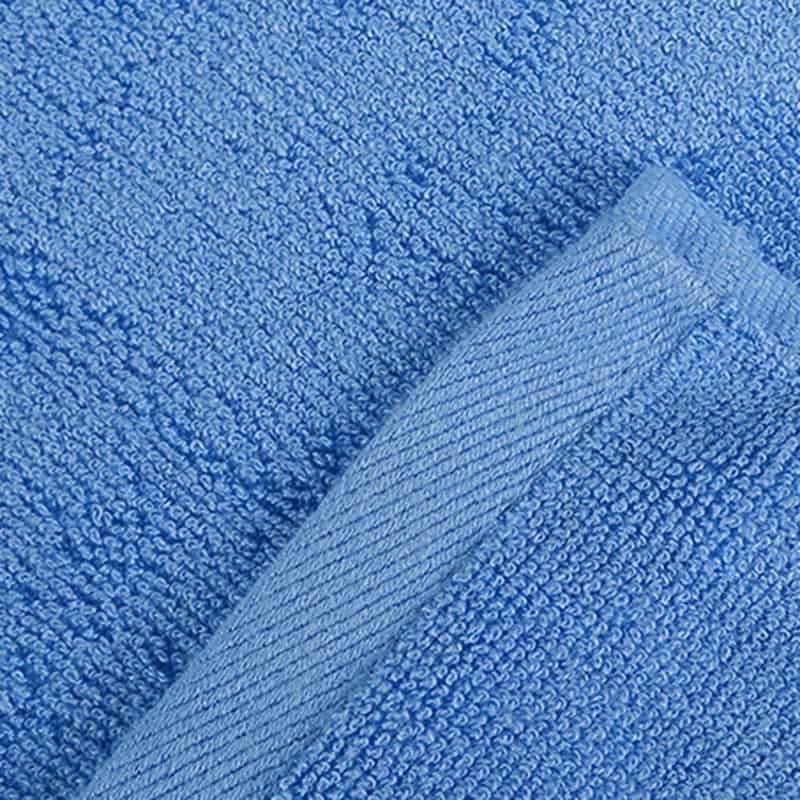
- Bedding and towels: Bamboo textile is also common as a household textile. They can be in the form of bedsheets, comforters, pillowcases, and blankets. It’s also a good textile for bathroom use. Some uses include bath towels, floor mats, and shower curtains.
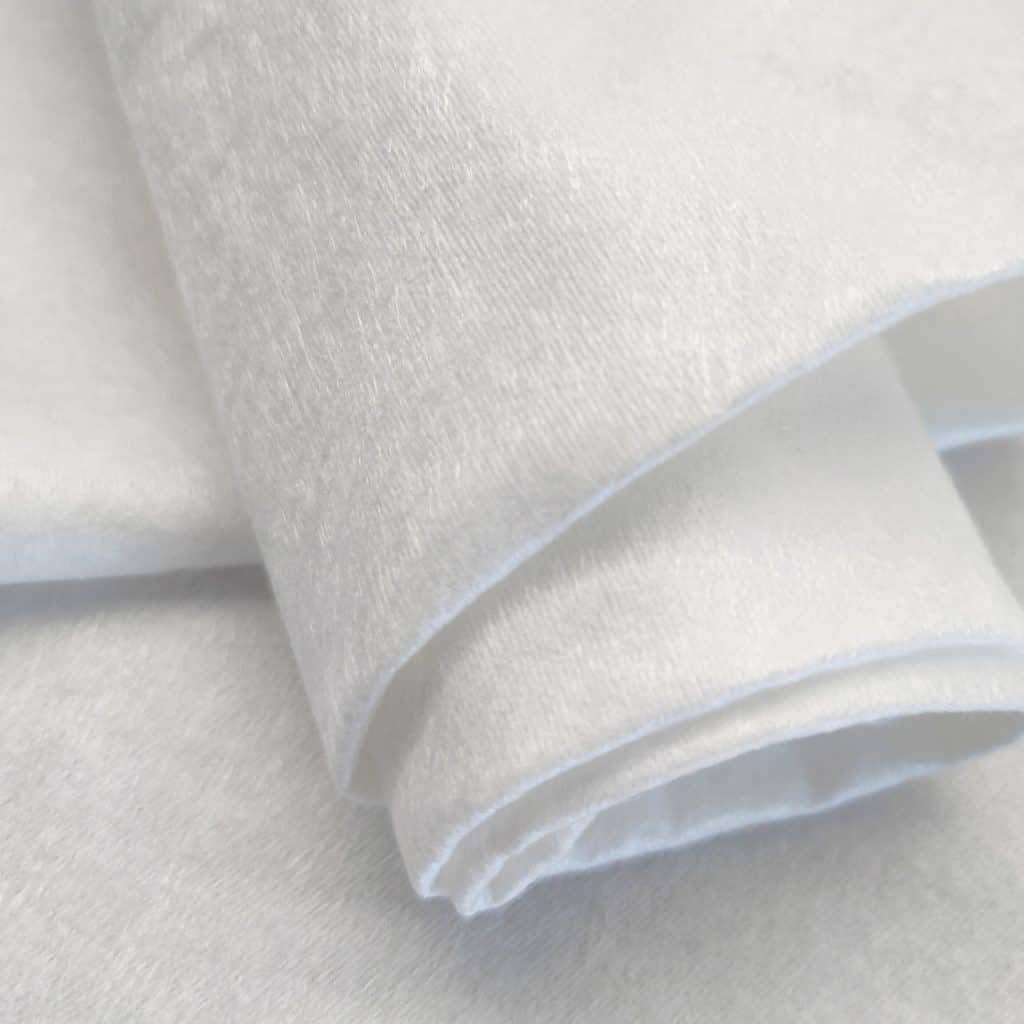
- Nonwoven materials and medical use: Bamboo can also be used to make nonwoven fabric. Examples are face masks, sanitary napkins, bandages, etc.
Production Process of Bamboo Fabric
The bamboo textile production process differs depending on the end product. Here’s a guide on how to make this fabric.
Harvest
First, harvest the bamboo leaves and the soft part of the bamboo stalk. Then, cut the plant at a 45-degree angle. Crush and heat it to get the bamboo pulp.
Process
Once you have the bamboo pulp, turn it into fibers in three different ways:
Dry them completely to separate the fibers faster.
Spin and weave
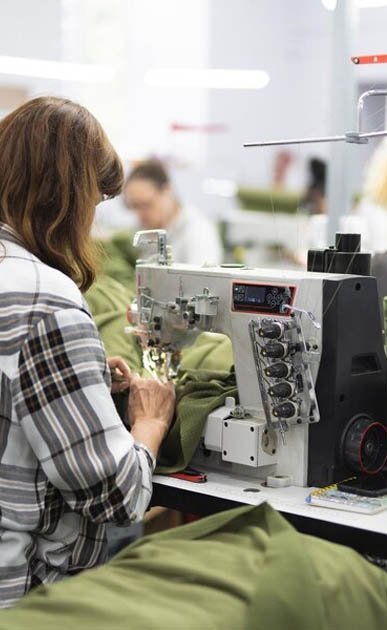
Once the bamboo fibers are ready, create bamboo yarn on spinning machines. Knit or weave the yarns into the bamboo fabric.
Advantages of Bamboo Fabric
Bamboo textile has a lot of beneficial features. It’s soft, durable, and breathable. Aside from that, it’s also known as a sustainable fabric.
- Softness and comfort: Bamboo textile is softer than cotton. It also has cooling properties that provide comfort.
- Breathability and moisture-wicking: Bamboo textiles have micro-gaps because of their cross-section properties. It also absorbs sweat well.
- Antibacterial and hypoallergenic properties: Bamboo has a natural antibacterial property. It’s perfect for those who have sensitive skin.
- Sustainability and eco-friendliness: Bamboo textiles are sustainable because they’re biodegradable. But using chemicals (in producing viscose and lyocell) isn’t good for the environment. So, these types are less sustainable compared to fine bamboo textile.
Disadvantages Of Bamboo Fabric
- Cost: Producing bamboo textiles is labor-intensive and goes through a longer manufacturing process than other fabrics. Materials are also limited. This results in a higher cost price.
- Care: Bamboo textiles are prone to shrinking because they can hold water. To avoid this, wash it with cool water and in gentle washing and drying cycles.
FAQs about Bamboo Fabric
What is special about bamboo fabric?
Bamboo textiles are one of the best choices for clothing– comfort-wise. It also has natural hypoallergenic, antibacterial, and sweat-absorbing properties. This makes it suitable for people with sensitive skin. Bamboo fabric is also known as “sustainable fabric.”
Is bamboo better than cotton?
Bamboo and cotton fabric are almost similar. They’re derived from natural fibers and are soft, comfortable, breathable, and moisture-wicking. But the difference is that bamboo has natural antibacterial and hypoallergenic properties.
Does bamboo fabric last long?
Bamboo textile is one of the most durable fabrics. But this is only true with ‘natural’ bamboo textiles. Those exposed to chemicals such as bamboo viscose and lyocell are prone to damage.
Why is bamboo fabric better for clothing?
Bamboo fabric is soft and comfortable to wear. They’re also very breathable and absorb moisture well.
They have natural antibacterial and hypoallergenic properties as well. And it’s a sustainable alternative to synthetic fabrics.
Is bamboo fabric expensive?
Bamboo fabric is more expensive compared to fabrics like cotton and polyester. This is because of the lengthy manufacturing process of making this fabric.
Conclusion
Bamboo fabric is one of the more recent inventions in the last few decades. The comfort and sustainability of these textiles are priorities in the design.
The fabric is even more unique because of the bamboo’s natural qualities. Examples include its hypoallergenic and antibacterial properties.
The fabric was initially designed to be sustainable. But other harsh methods were developed to lower the cost of producing bamboo fabric.