
When it comes to selecting a material that perfectly balances professional aesthetics with rugged durability, Gabardine fabric stands in a league of its own. Distinguished by its signature diagonal ribbed surface, this tightly woven fabric is a powerhouse in the textile industry. Whether you are looking for a wrinkle-resistant suit or a durable raincoat, understanding Gabardine is essential.
Originally crafted from worsted wool, modern iterations have expanded to include cotton, texturized polyester, and various blends. Its tight weave makes it naturally water-resistant and exceptionally hard-wearing, which is why almost every experienced clothing manufacturer recommends it for outerwear, trousers, and corporate uniforms.
The Origins: A Revolution in Outerwear
The invention of Gabardine in 1879 by Thomas Burberry marked a pivotal moment in fashion history. Before this, waterproofing was achieved by coating fabrics in rubber, which was heavy and unbreathable. Burberry sought to create a versatile fabric that could withstand the harsh British weather while remaining breathable. He patented the fabric in 1888, and it famously clothed polar explorers like Roald Amundsen and Ernest Shackleton, proving its worth in the most extreme conditions.
What Exactly Is Gabardine Fabric?
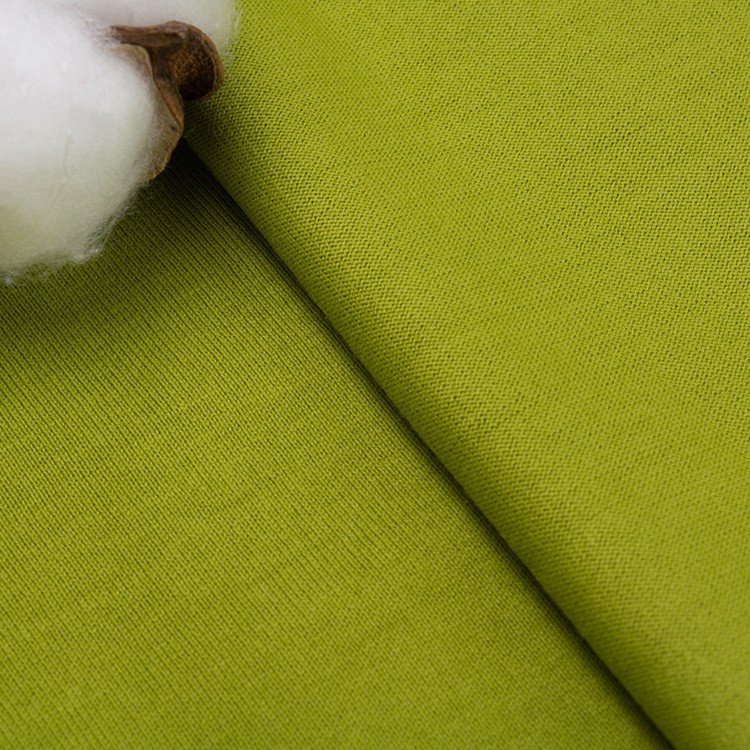
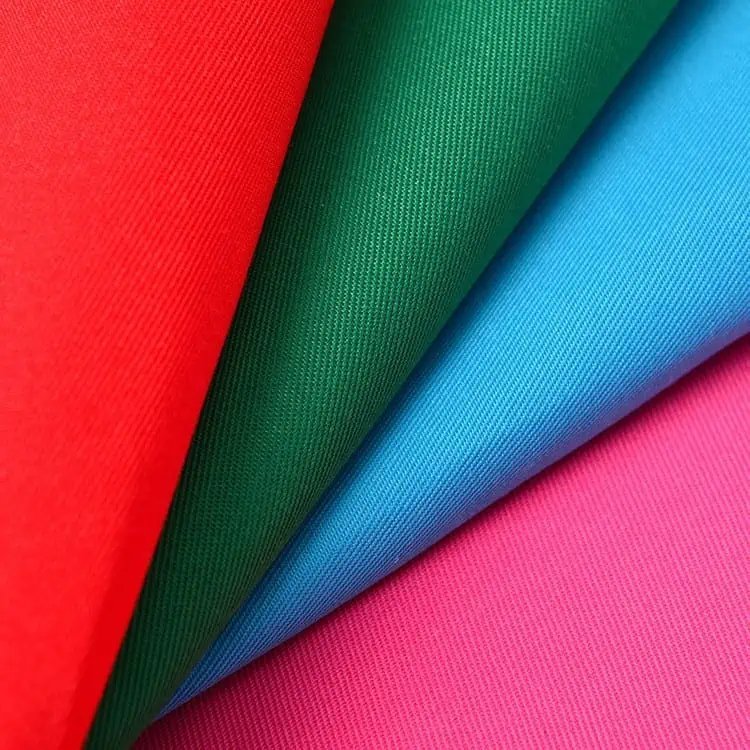
Technically speaking, Gabardine is a tough, tightly woven warp-faced twill fabric. This means the warp yarns (vertical) outnumber the weft yarns (horizontal), creating a smooth back and a prominent diagonal rib on the face.
While it was traditionally strictly a wool fabric, the definition has evolved. Today, the term “Gabardine” refers more to the weave structure than the fiber content. The fabric is characterized by a moderate to high sheen and a firm drape, making it distinct from looser weaves like standard serge or denim.
Key Characteristics and Properties
Why do designers and tailors prefer this material? Here is a breakdown of its standout features:
✔ Exceptional Durability
Because the warp yarns are packed so tightly, the fabric is dense and strong. It resists friction and abrasion better than most flat-woven fabrics, making it an investment that stands the test of time.
✔ Water and Wind Resistance
While not fully waterproof like plastic, the tight angle of the twill weave forces water droplets to bead up and roll off the surface rather than soaking in immediately. It also acts as an excellent windbreaker.
✔ Drape and Structure
Gabardine holds its shape incredibly well. It does not cling to the body but rather drapes elegantly, which is why it is the standard for high-end suiting and trench coats.
✔ Wrinkle Resistance
The complex weave structure naturally resists creasing. This makes it an ideal travel fabric, ensuring you look polished even after a long journey.
Types of Gabardine Fabric
Depending on the fiber used, Gabardine can feel and perform differently. A professional clothing manufacturer will choose the specific type based on the end-use of the garment:
Common Uses in Fashion and Beyond
Gabardine’s versatility allows it to transition seamlessly from rugged outdoor gear to elegant evening wear.
- •
Outerwear: The quintessential trench coat fabric. It shields against wind and light rain. - •
Tailoring: Suits, trousers, and pencil skirts that require crisp lines and structural integrity. - •
Accessories: Due to its strength, it is frequently used for hats, caps, and durable tote bags. - •
Home Decor: Heavier weight Gabardine is excellent for upholstery, cushion covers, and drapery.

Advantages and Disadvantages
Is Gabardine the right choice for your collection? Here is an honest look at the pros and cons.
The Pros
- Extremely hard-wearing and long-lasting.
- Resists soil and stains better than flat weaves.
- Holds pleats and creases sharply.
- Comfortable in transitional seasons (Spring/Autumn).
The Cons
- Can be expensive to produce.
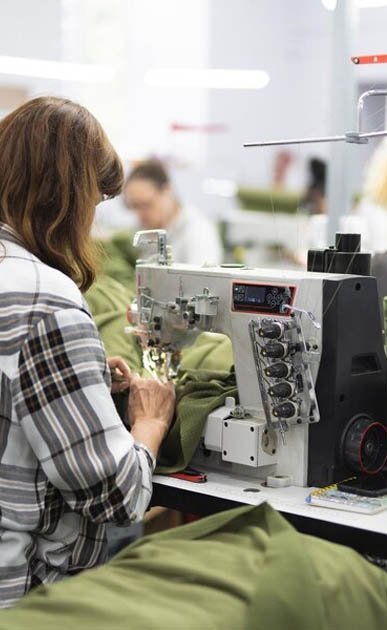
- Difficult to sew: The tight weave can cause needle holes to show if mistakes are made.
- Susceptible to “shine” if ironed incorrectly (always use a pressing cloth).
Conclusion
Gabardine fabric remains one of the most reliable and sophisticated textiles in the world. From its origins on the backs of polar explorers to its current status as a staple for corporate and fashion wear, it offers an unmatched combination of style and substance. For brands looking to create garments that are durable, water-resistant, and aesthetically pleasing, partnering with a skilled clothing manufacturer to source high-quality Gabardine is a strategic move. Whether for a bespoke suit or a functional uniform, this fabric delivers performance that stands up to the rigors of daily life.
Frequently Asked Questions (FAQs)
Gabardine is naturally water-repellent due to its tight weave, meaning light rain beads off it. However, unless it is treated with a DWR (Durable Water Repellent) finish, it is not 100% waterproof and will eventually soak through in heavy downpours.
It can be challenging for beginners. Because the fabric is dense, needle punctures are permanent. It is also prone to fraying at the edges, so seams must be finished properly with a serger or zig-zag stitch immediately after cutting.
It is considered a trans-seasonal fabric. Wool Gabardine is excellent for Autumn and Winter due to its warmth. Cotton Gabardine is lighter and breathable, making it suitable for Spring and cooler Summer days.
This depends on the fiber. Wool Gabardine should generally be dry-cleaned to prevent shrinkage. Cotton and Polyester Gabardine can usually be machine washed on a gentle cycle, but always check the care label first.